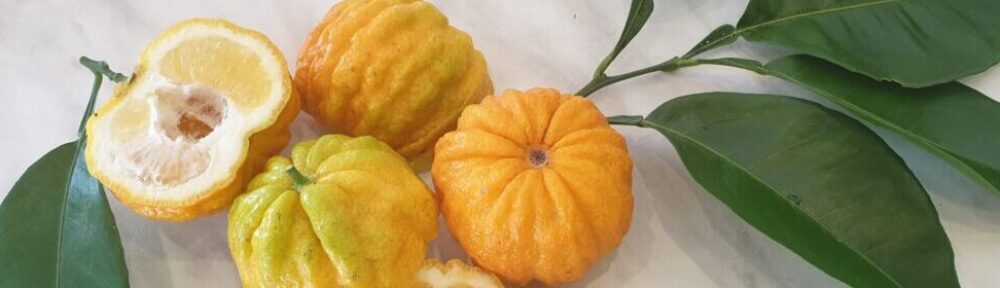
At the end of my article Search for the citrus in Okinawa, I mentioned that I had been given the contact information for Dr. Hideyasu Kinjo, co-discoverer of Citrus ryukyuensis. A year of communication has flown by, and my correspondence with the Japanese scientist has expanded to include correspondence with Professor Masashi Yamamoto, dean of the Faculty of Agriculture at Kagoshima University and one of Japan’s leading scientists specializing in citrus diversity. Both gentlemen have kindly promised me their support and assistance in understanding the local biodiversity of the genus Citrus.
You may recall my search for local mandarins such as Citrus oto, Citrus tarogayo, or Citrus rokugatsu from local farmers; my hike up Mount Nekumachiji, where I discovered the until recently unknown Citrus ryukyuensis; or my visit to a local factory where Citrus depressa ‘Shiikwaasa’ is processed into delicious juices. However, many questions remained regarding Okinawan citrus fruits—questions that could not be answered in the field and for which there were no clear answers even through remote communication. Is the European “Keraji” really Citrus keraji? Are Rokugatsu and Za-Daidai one and the same plant, as we perceive them here in Europe, or are they distinguished in Japan? And what about the taxa I didn’t encounter at all during my last visit — Citrus luteo-turgida ‘Deedee’ or Citrus yanbaruensis ‘Yukunibu’ which are completely unknown in Europe? Do they even still grow in Okinawa? And new questions arose as I began to explore the biodiversity of the neighboring Japanese island of Kyushu. Why isn’t Shivamikan known in Japan, even though it’s commonly sold in Europe as the Japanese Citrus leiocarpa? What’s the difference between ‘Yuge Hyōkan’ and ‘Hyōkan’—a question even the Internet can’t answer—or is there any difference at all? And then I also wanted to see the completely unknown endemic species of Kyushu, such as Citrus aurea ‘Kawabata mikan’ or ‘Ōtachibana’ as well as the better-known Citrus kinokuni ‘Kishū-mikan’ in their natural habitats. And much, much more. My list of questions had grown considerably, but I knew I would be able to present them to the leading experts in the field and that they would most likely be answered. I planned a trip to Okinawa for a few days and then on to Kagoshima on the island of Kyushu for a few more days.
Months of preparation and studying books culminated on September 10, 2025, with my trip to Prague Airport. I chose the Taiwanese airline China Airlines, which—thanks to the favorable political situation between Prague and Taipei—had launched a direct flight from Taiwan to Prague. And from Taiwan, it’s just a stone’s throw to Okinawa. The 10:40 a.m. flight departs on time. I’m traveling against the clock, so I won’t arrive in Okinawa until the next day.

The flight goes smoothly and without any complications. So at 5:30 a.m., I find myself at the international airport in Taiwan. Of course, as always, I didn’t get a wink of sleep on the plane.
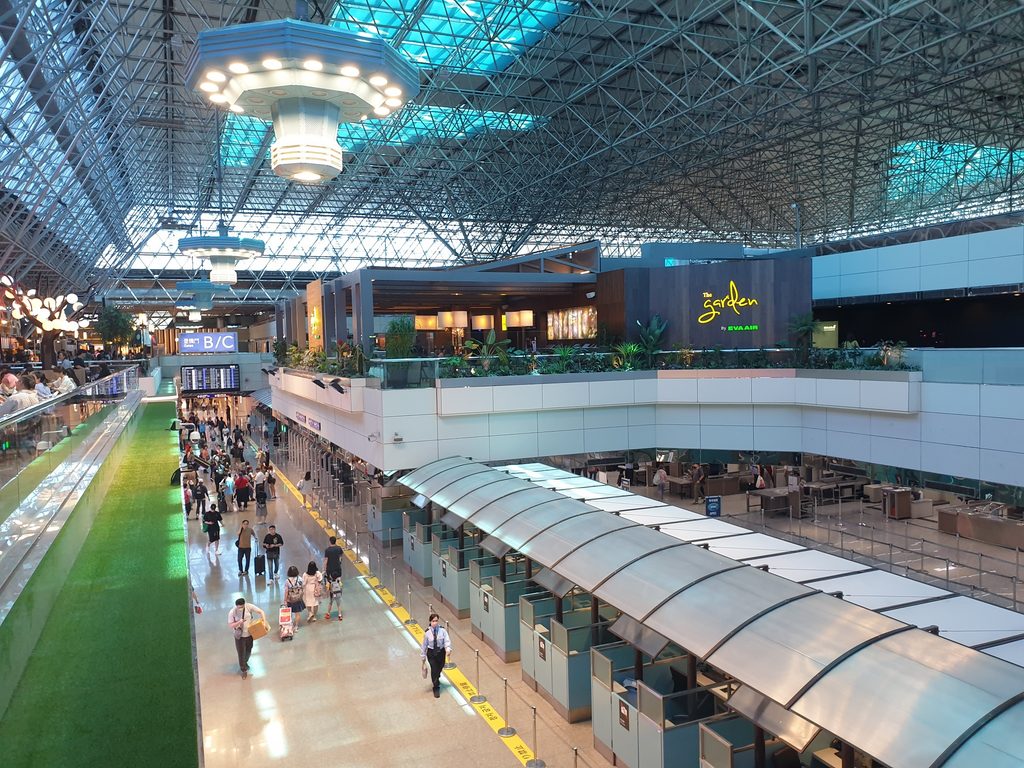
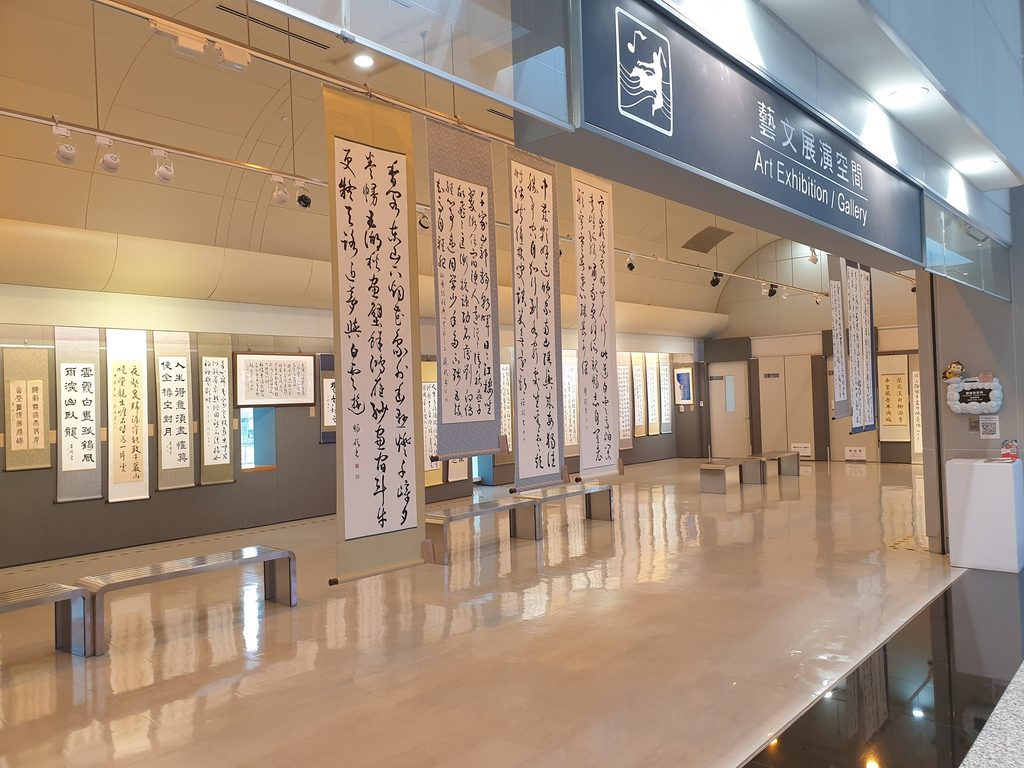
Taoyuan International Airport (TPE) in Taiwan, which opened in 1979, ranks among the 50 busiest airports in the world and handles a record-breaking nearly 50 million passengers annually. The airport is enormous, however, with numerous themed areas, nooks and crannies, restaurants, and relaxation zones. Some are very original, such as an exhibition of written texts—which, of course, I didn’t understand at all—but they help give the airport a calm and friendly atmosphere. Finally, I find a comfortable massage chair that’s still available this early in the morning and treat myself to at least a short nap there. At 5:05 p.m. local time, I finally take off for Okinawa.


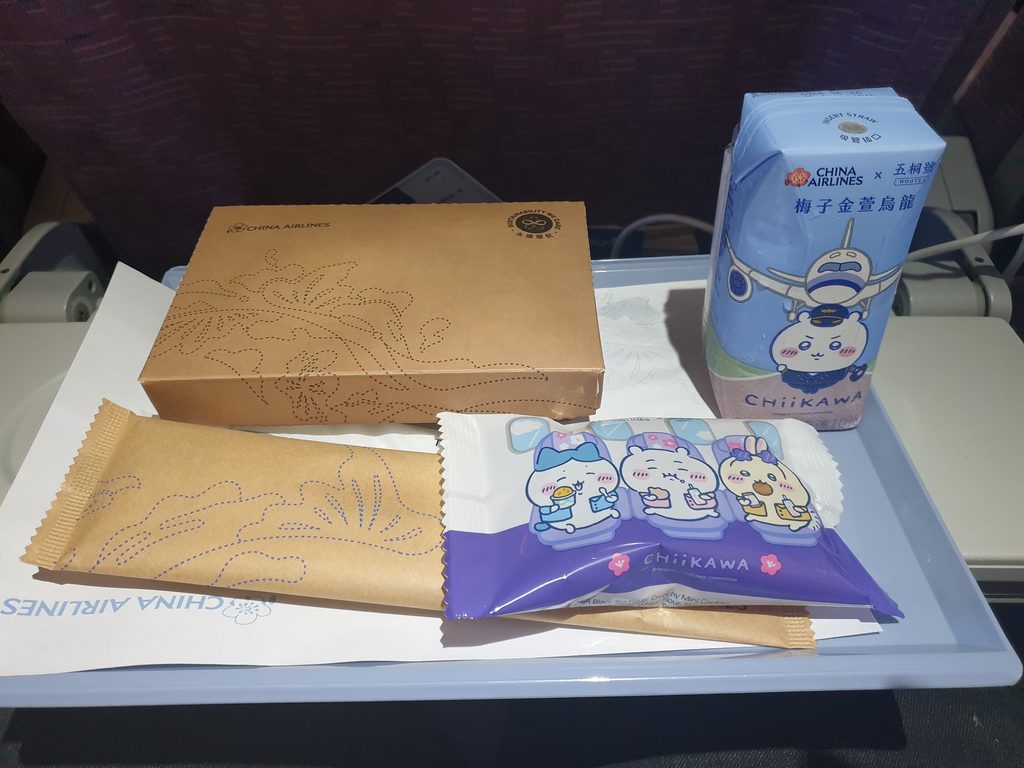
The flight is short this time. Compared to the nearly 13 hours to Taiwan, the less than two hours on board the Airbus A330-302 are practically negligible. The refreshments, which are clearly intended for young passengers, are nice and help chase away the fatigue from the long journey for a moment. I land at Naha International Airport in Okinawa just before 8:00 p.m. I’m briefly stopped by a young customs officer because, as the only European traveler, I look suspicious, and she asks me about the purpose of my trip. I’m not part of any organized group, which isn’t very common for tourists in Japan. But when I tell her that I’m traveling for research and will be continuing on to the university in Kagoshima, she lets me through without further ado. I’ve chosen a hotel not far from the airport, and I’m there in a few minutes. Finally, I’ll be able to sleep in a normal bed and get some rest.
Naha is the capital, largest, and most economically significant city in Japan’s Okinawa Prefecture. It is located on the southwestern coast of the main Okinawa Island, on the shores of the East China Sea. The city has a population of approximately 317,000. This represents roughly one-fifth of the total population of the main island. The population density is therefore relatively high, even by Japanese standards. Geographically and culturally, Naha is closer to Taiwan or Shanghai than to Tokyo, which is about 1,600 kilometers away. This isolation from the main Japanese islands has shaped its unique identity. Naha was not always a typical Japanese city. Until the end of the 19th century, it was the center of the independent and prosperous Ryukyu Kingdom. The kingdom prospered from maritime trade between China, Japan, Korea, and Southeast Asia. Its architecture (e.g., Shuri Castle), culture, and local traditions are therefore strongly influenced by Chinese and Southeast Asian elements, which visually distinguish the city from the rest of Japan. During World War II, in 1945, Okinawa was the site of one of the bloodiest battles in the Pacific. Naha was almost completely razed to the ground at that time. The city’s current appearance is the result of postwar reconstruction. After the war, the city remained under U.S. administration until 1972. American influence is still evident today in the local cuisine, signage, and the presence of nearby military bases.
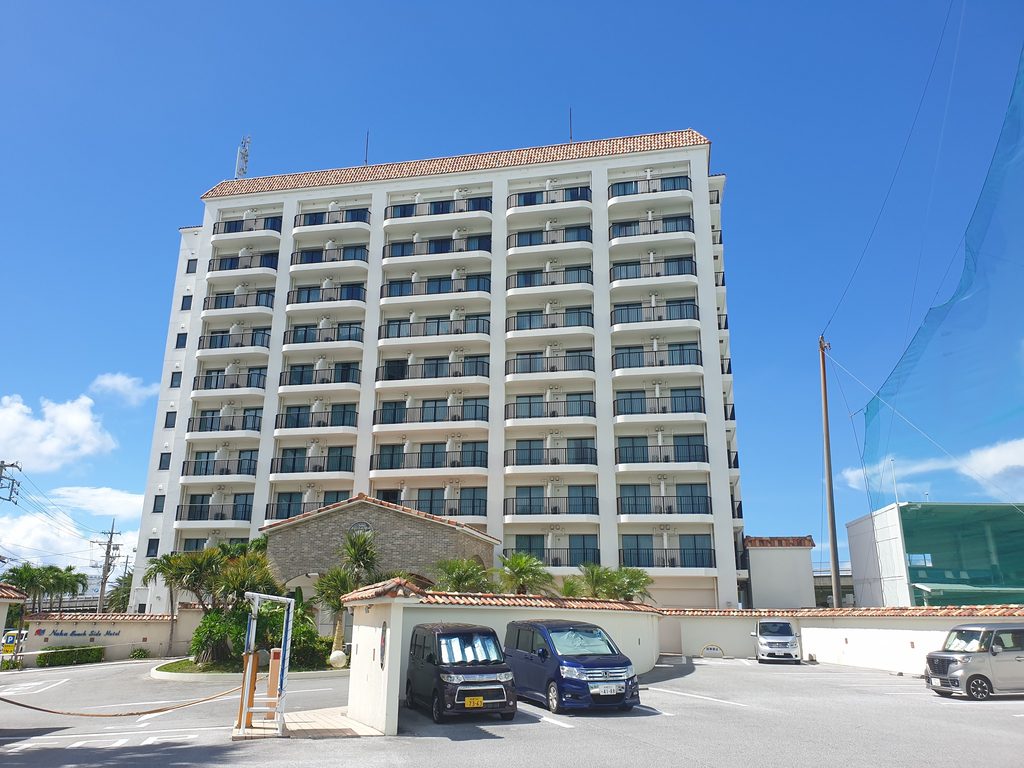
The Naha Beach Side Hotel, which I chose, is located right on the coast in the city center, near Naminoue Beach and about a 10-minute taxi ride from Naha Airport. For practical reasons, this suits me well for a short stay. The hotel is relatively new—it opened in 2002—and features Western-style rooms with balconies and ocean views.
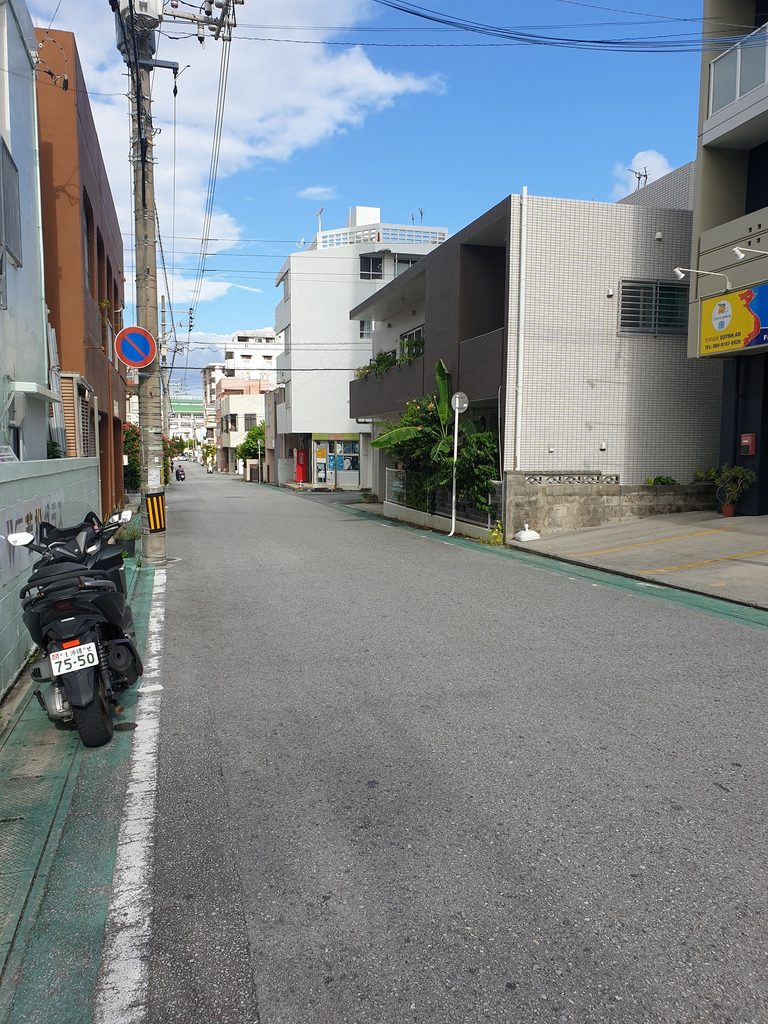
The next morning, I set out through the narrow streets of Naha to a nearby car rental agency. I was particularly surprised by the lack of sidewalks—something I wasn’t used to even in Tokyo—but fortunately, the rental agency wasn’t far away. I chose the tried-and-true Nissan Leaf again. This time, I got one in a beautiful red color, although it took a while to get it. Although the streets of Naha are almost empty, there’s already a line at the rental shop early in the morning. The car is equipped with an English-language navigation system, but I install a phone mount anyway and save the rental shop’s location in the navigation system. Driving on the opposite side of the road and the peculiarities of Japanese traffic are stressful enough on their own—I don’t need to get used to a new navigation system as well. I silently congratulate myself for being a collector of odds and ends and for having kept that old phone mount, which I haven’t needed in my car for years. I call Dr. Hideyasu Kinjo, and we agree to meet in two hours in front of the Ogimi village town hall. It’s over an hour and a half’s drive on the highway, so I don’t have much time for sightseeing. But it’s a comfortable route that I already know, so I have no trouble finding not only Ogimi but also the newly built town hall.

Ōgimi (大宜味村) is a small village on the northwestern coast of Okinawa Island, known worldwide as a hub of longevity and the center of Shekwasha citrus cultivation (Shiikwaasa in the Okinawan language). It is located in the pristine, mountainous Yanbaru region, where forests cover nearly 80% of its territory. The village is home to approximately 3,000 residents living in seventeen small coastal settlements. In contrast to the bustling south, it is an oasis of tranquility, with low-rise houses and gardens, completely untouched by mass tourism. Ōgimi is one of the so-called Blue Zones—places on Earth with the highest concentration of centenarians. In 1993, the village officially issued the “Declaration of the Highest Longevity in Japan,” and in 1996, the World Health Organization (WHO) recognized it as the region with the highest life expectancy in the world. The secret to the locals’ vitality (they live to a ripe old age in full health) rests on three pillars: The older residents do not know the word “retirement.” Nearly all seniors work daily in their small fields and citrus groves. They have a strong sense of purpose in life (ikigai). No one here suffers from loneliness either. From a young age, residents are part of what are known as moai—lifelong groups of friends who meet regularly, support one another financially and emotionally, and grow old together. And then there’s a diet rich in antioxidants and other beneficial substances: The diet consists of local vegetables, sweet potatoes, seaweed, tofu, and fish. And, of course, Shiikwaasa with proven anti-cancer effects. I wrote about all of this and all the important citrus fruits from Okinawa in my previous article; if you’d like to refresh your memory, you can click here: Search for the citrus in Okinawa.
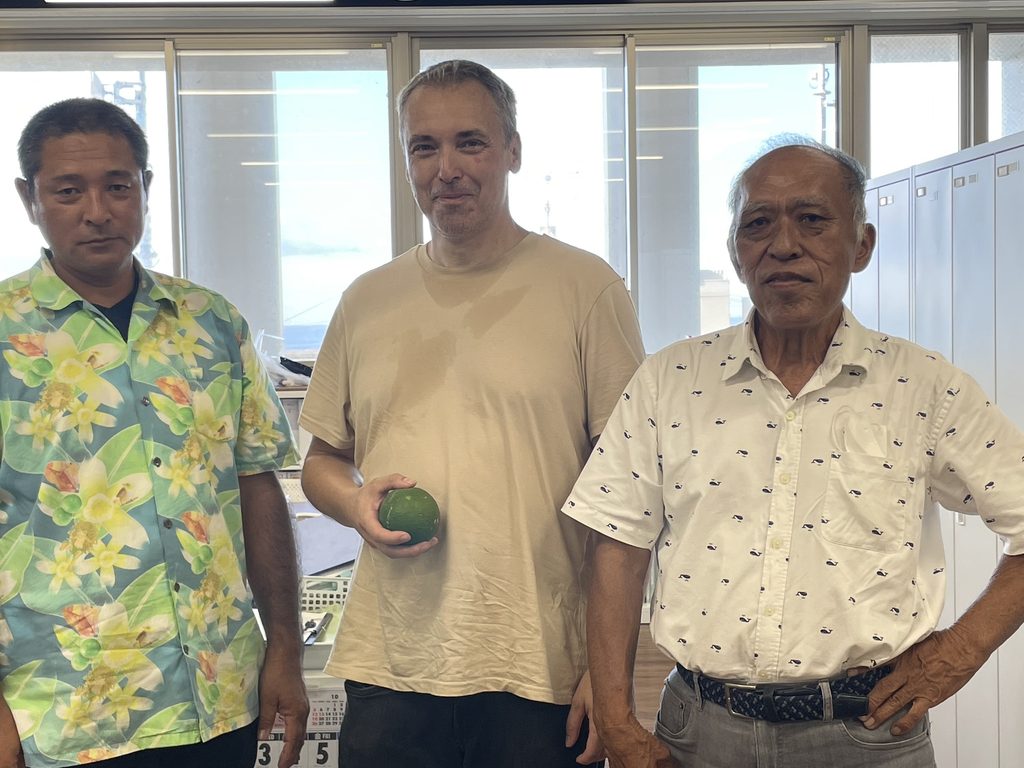
At City Hall, I was welcomed by Dr. Hideyasu Kinjo and Tsuyoshi Shimabukura, who serves as the head of the Community Building and Municipal Development Division at Ōgimi City Hall. I was given a glass of local juice from Shiikwaa and a lot of printed materials that Dr. Hideyasu Kinjo had kindly prepared for me. I exchanged them for gifts from the Czech Republic, most notably a bottle of Becherovka, which is always a hit in Japan. Dr. Kinjo told me that alcohol is the key to longevity. I thought to myself that, as a scientist from the oldest village in the world, he should know better than anyone.
Dr. Hideyasu Kinjo is a leading Japanese agronomist, an internationally recognized scientist, and an expert in subtropical fruit cultivation. He serves as a key researcher at the Okinawa Prefectural Agricultural Research Center. He has dedicated his professional career to the northern Yanbaru region and the village of Ogimi, where he is considered the foremost authority on the study of the Shiikwaasa citrus (Citrus depressa). Dr. Kinjo gained worldwide recognition in 2021 as a co-author of a groundbreaking genetic study published in the prestigious scientific journal Nature Communications. Together with an international team of geneticists and researchers from the Okinawa Institute of Science and Technology (OIST), he completed the full genome sequencing of Okinawan citrus. Dr. Kinjo’s work has a tremendous practical impact on all of Okinawa. In Ogimi, he personally oversees a gene bank containing dozens of native, wild-growing citrus lines, thereby protecting them from extinction. He also leads experiments focused on breeding new tree rootstocks capable of resisting aggressive diseases threatening plantations worldwide and surviving even Okinawa’s devastating typhoons.
We’ve been assigned a local company car. I soon realize why, because my own car is completely unsuitable for the local goat trails—sorry, I mean roads—in the mountains. Dr. Kinjo takes the wheel, and we set off for the mountains, where there are local farmers’ citrus groves, as well as the Citrus Experiment Station administered by Ōgimi.
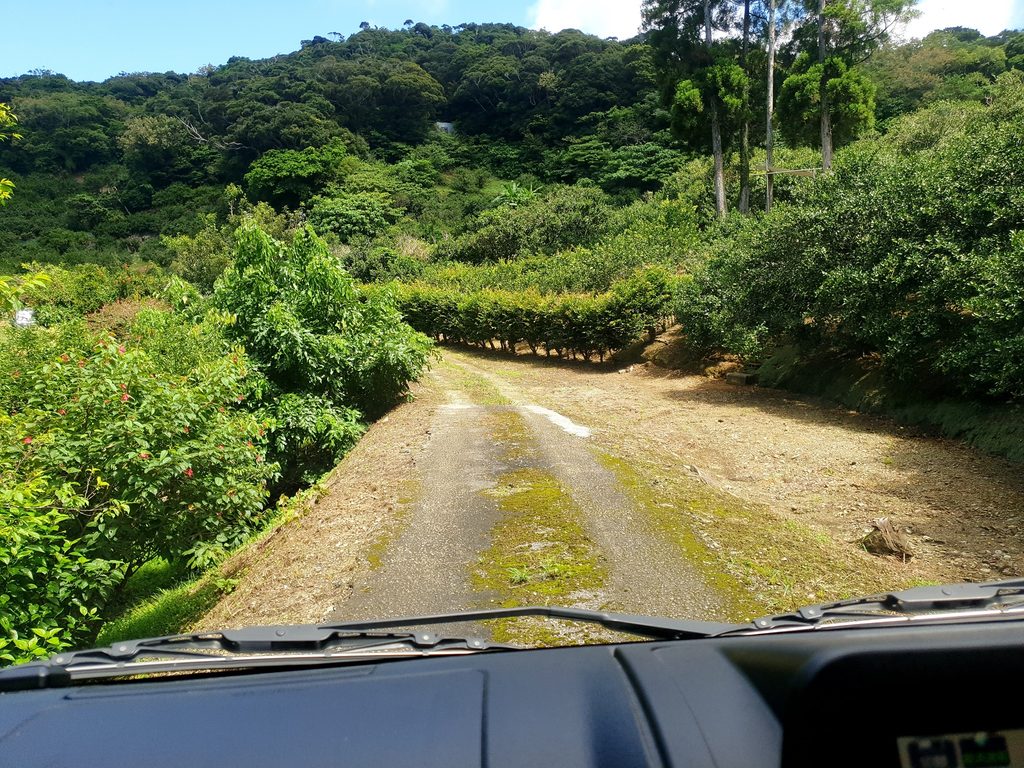
Just like last year, the mountain road soon narrows to the point where even my little Nissan would probably be too big, and the occasional potholes would be insurmountable for it. We’re surrounded by jungle on both sides, with the occasional farm belonging to local farmers. I understand that the average tourist wouldn’t even notice the citrus trees in Okinawa. They wouldn’t normally be able to reach the places where they’re grown. We pass Mount Nekumachiji, where I searched for the local endemic species Citrus ryukyuensis ‘Tanibuta’ ast year, and continue further east. Dr. Kinjo also points out to me that Tanibuta grows wild here, but I already know that. Finally, after a while, we stop at an ancient orchard that serves as a source of valuable genetic material for most local and international research projects. Dr. Kinjo tells me that some of the trees here are as old as a hundred years.
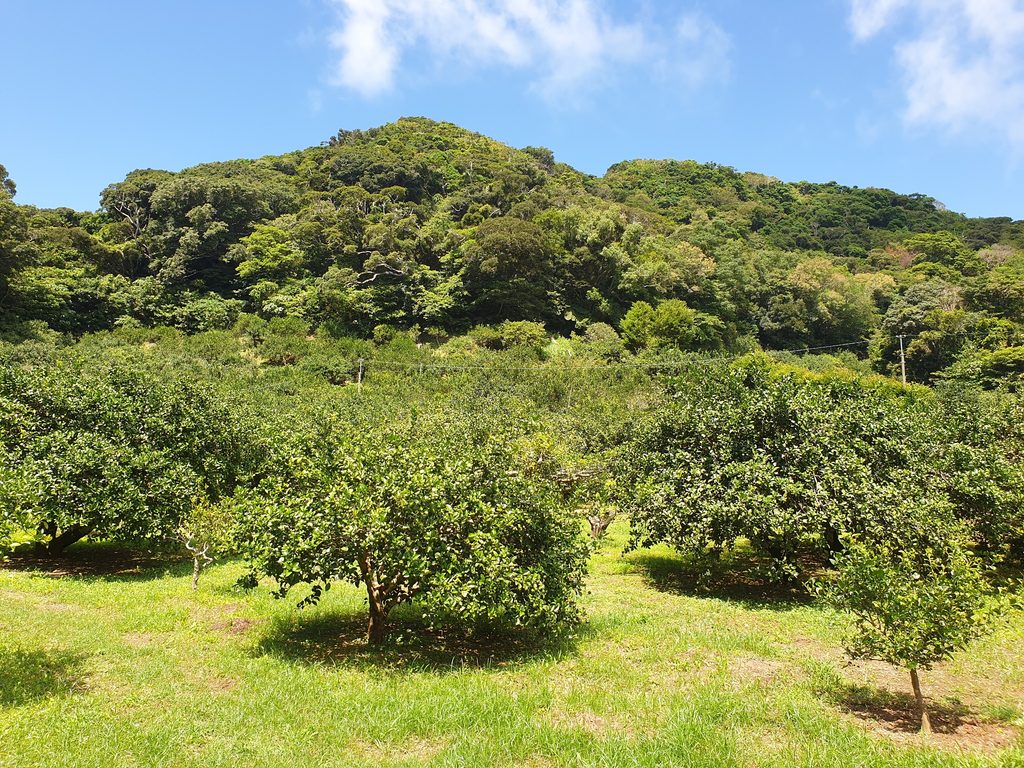
The local caretaker welcomes us, and together we set out to see the area’s greatest treasure. The local variety of Citrus ryukyuensis ‘Tanibuta’ was used as genetic material in Dr. Wu’s research in 2021. I immediately recognize the tree from the photographs in that study.
Citrus ryukyuensis ‘Tanibuta’ was correctly identified and described only in 2021 by a research team led by Dr. Wu, thanks in large part to the substantial contribution of Dr. Kinjo. Until then, no one had any idea that this unassuming mandarin, which everyone had previously considered a variation of another local species—Tachibana—was actually a native endemic species and the progenitor of a large portion of Japanese citrus fruits. Now, four years later, I stand before the little tree that was behind it all.


The tree looks just like the ones I found last year on Mount Nekumachiji. The fruits are still green, but they’re already almost their full size—which, of course, they weren’t last spring. I take some photos, and we move on to the main orchard.
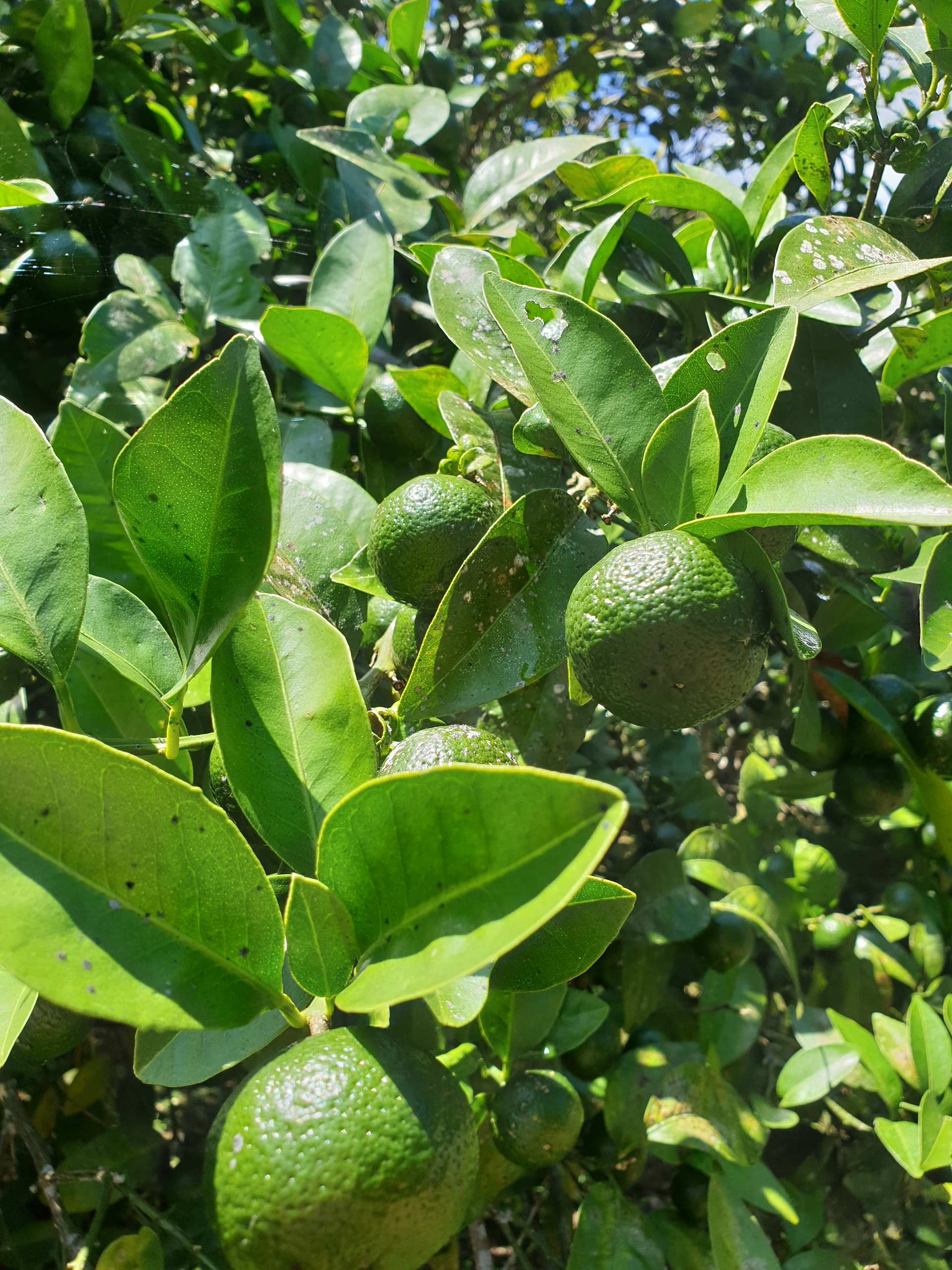
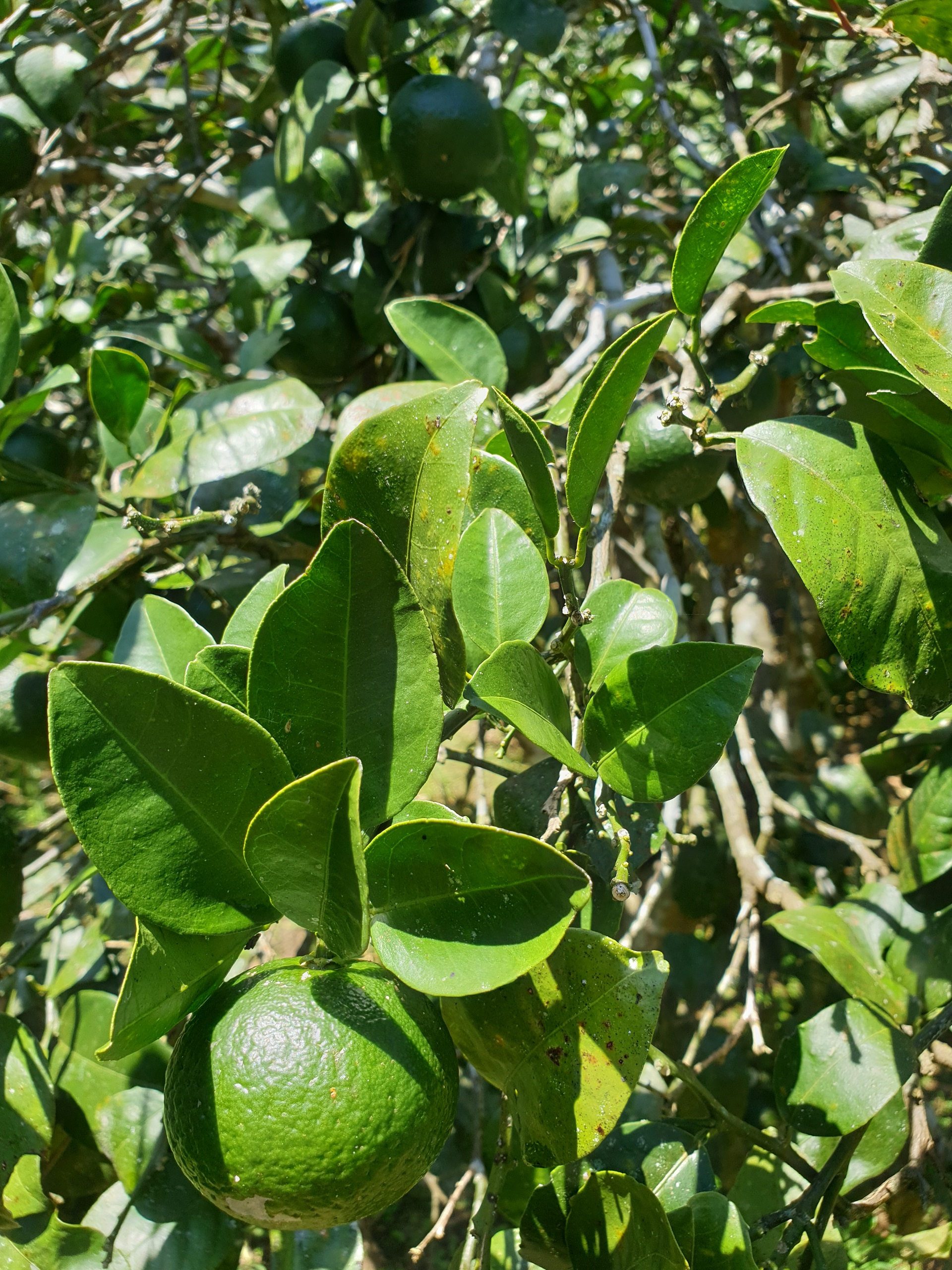
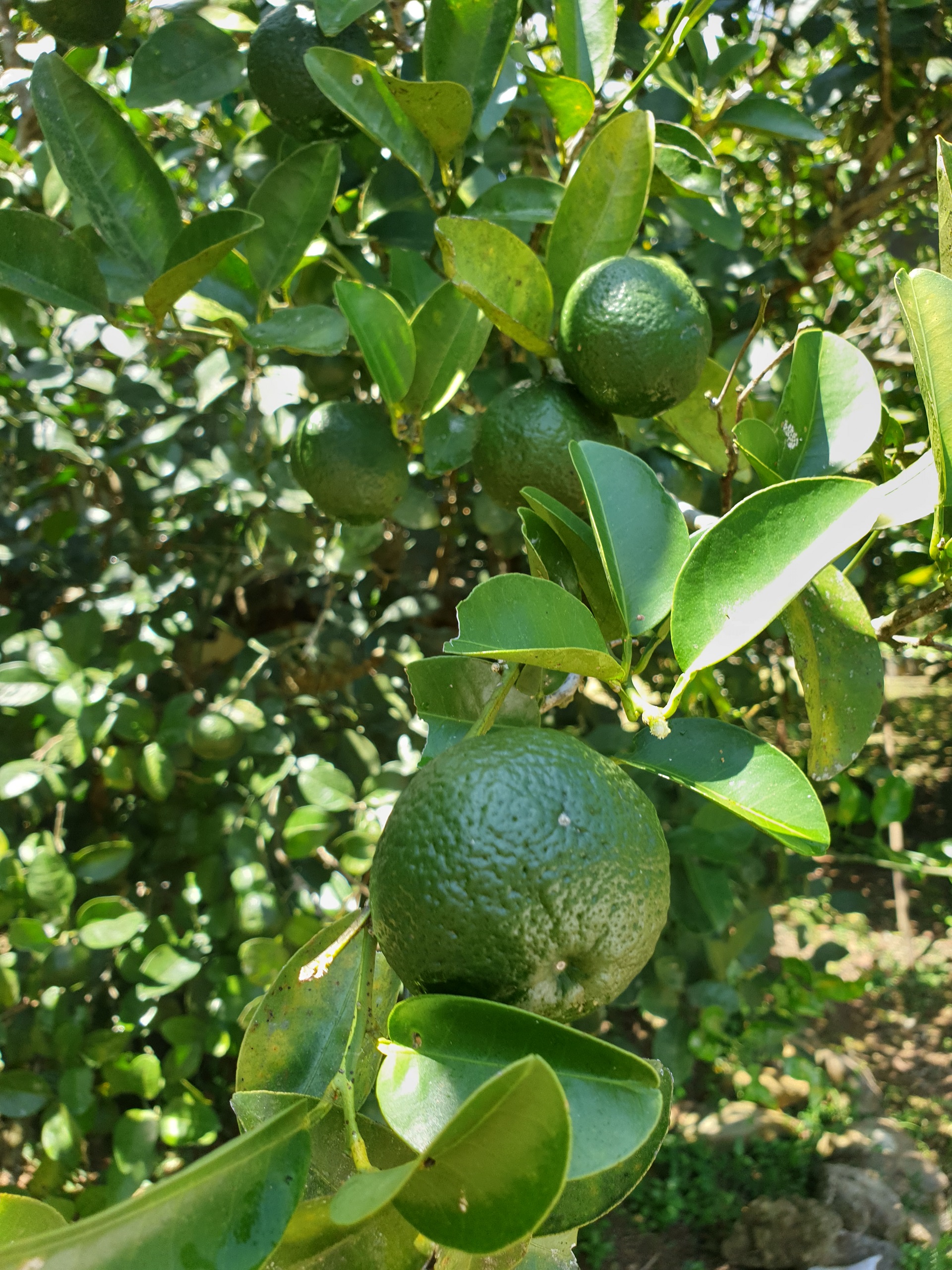
We gradually make our way through the century-old Ōtō, Kābuchī and Tarogayo. I take notes and observe differences in morphology, though they are not particularly pronounced. This is hardly surprising, given that all these cultivars share the same parents. One of them is Kunembo, which was imported to the Ryukyu Islands from Indochina sometime between the 8th and 12th centuries; its hybridization with the locally adapted wild C. ryukyuensis gave rise to a whole series of endemic forms. These three are the most common of them on the island of Okinawa. I already discussed Ōtō, Kābuchī and Tarogayo in my previous article, so I won’t go into further detail here. If you’re interested, all three forms are described in more detail at the links provided. After the tour, we return to Ōgimi. We stroll through the local gardens. Dr. Kinjo opens the various gates, and no one seems to mind. Being part of the local moai community—of which I’d somehow become a temporary member for a short while—has its advantages. Members help one another and know each other. And Dr. Kinjo seems to know a lot of people. After a while, he finds a somewhat unhealthy two-meter-tall sapling—Citrus tachibana.


I’m standing in the middle of a stranger’s garden, taking photos, while Dr. Kinjo explains to me that the Tachibana which originally grew throughout the southern half of Japan, is so rare today that the Japanese Ministry of the Environment added it to the list of endangered species in 2012. This is strange, because Tachibana is the oldest citrus fruit documented in Japanese literary tradition. The Man’yōshū, the oldest surviving collection of Japanese poetry (8th century CE), contains 70 poems about Tachibana or that refer to it—and exclusively celebrate its intoxicating fragrance. It is believed that Tachibana mainland Asian parent (an unknown Chinese wild mandarin) was introduced to the Ryukyu Islands in prehistoric times, either 40,000 to 200,000 years ago when the islands were connected to Asia by land, or carried there by the Kuroshio Current. Subsequent natural hybridization with the locally adapted Citrus ryukyuensis then gave rise to the Tachibana species, whose apomictic reproduction subsequently enabled its rapid spread throughout the Japanese archipelago. It was only later that it became the first cultivated citrus cultivar on the Japanese islands. It is a compact tree or shrub, typically 3–10 m tall, with thorns. The leaves are oblong (unlike the ovate leaves of the local C. depressa), with some variability. In Japan, there are several genetically distinct clones of Tachibana.
After exploring the local gardens, we head to a nearby restaurant called Emi no Mise, which, as it happens, is run by Ms. Emiko Kinjo. In Okinawa, and especially in close-knit communities like Ogimi, shared last names are no coincidence. The entire village functions as one large, interconnected family, where a biologist’s knowledge seamlessly translates into the dishes prepared by a culinary specialist. In Okinawa, a historical system known as Monchu (a patrilineal clan system) remains strongly intact to this day. People with the same last name within a single village or region share a common male ancestor, have a shared family tomb, and have stuck together for centuries. I didn’t ask about it, but Ms. Emiko and Mr. Hideyasu quite possibly belong to the same extended family branch from Ogimi.
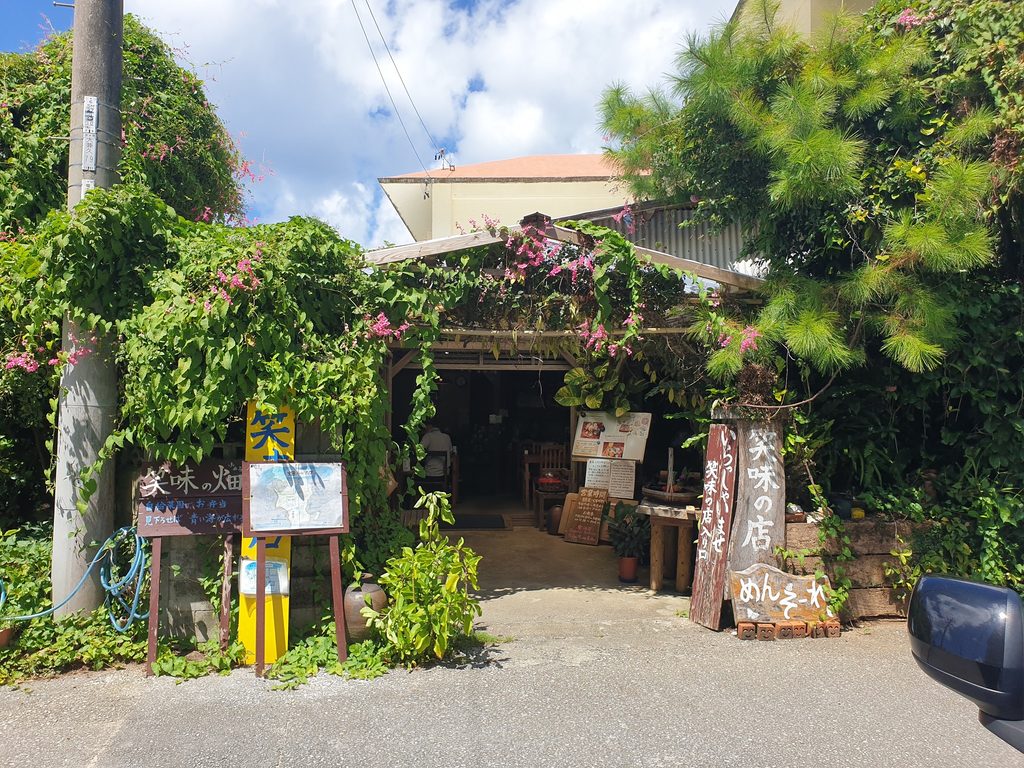
At Emi no Mise, the food is prepared using a method known in Okinawa as Nuchigusui (literally, “medicine of life”). The concept is that wholesome, pure food has the power to heal and strengthen the body. All dishes are light, minimally salted, and highlight the natural flavors of the ingredients, which owner Emiko harvests from her own small plot right next to the restaurant. The dishes are based on seasonal Okinawan plants that grow wild in the northern Yanbaru forests and have been consumed by locals for centuries for their medicinal properties. At Emi no Mise, citrus fruits aren’t just used as garnish. Their cold noodles are very popular; the juice and finely grated zest of Shiikwaasa are worked directly into the dish. The juice is also commonly drizzled over grilled local fish or added to a fermented miso dressing for salads. Although the diet is predominantly plant-based, it doesn’t lack high-quality protein. For example, rafute is a traditional slow-simmered pork belly dish. At Emi no Mise, however, they prepare it in a lighter, “sour” version (Sauer Rafute), balancing the richness of the meat with the tart juice of Shiikwaasa. As a result, the meat melts in your mouth and is easy to digest.
At a neighboring table in the restaurant, I also meet a Swedish journalist who was drawn to Ogimi precisely because of its longevity and local cuisine. It’s a small world, and for a moment, you get the feeling that Europe isn’t all that far away.
After lunch, we continue on our way, returning to the Yambaru hills, where the nursery is the heart of the local community and economy. It operates under the supervision of the local agricultural cooperative and the Ogimi Citrus Support Program. There’s a beautiful story behind the nursery. When interest in Shiikwaasa juice began to grow after World War II, the nursery in Ogimi was founded with the help of local children. They helped collect seeds from the healthiest wild trees, from which the first approximately 3,000 genetically pure seedlings were subsequently grown. These trees form the foundation of today’s vast orchards in Ogimi.
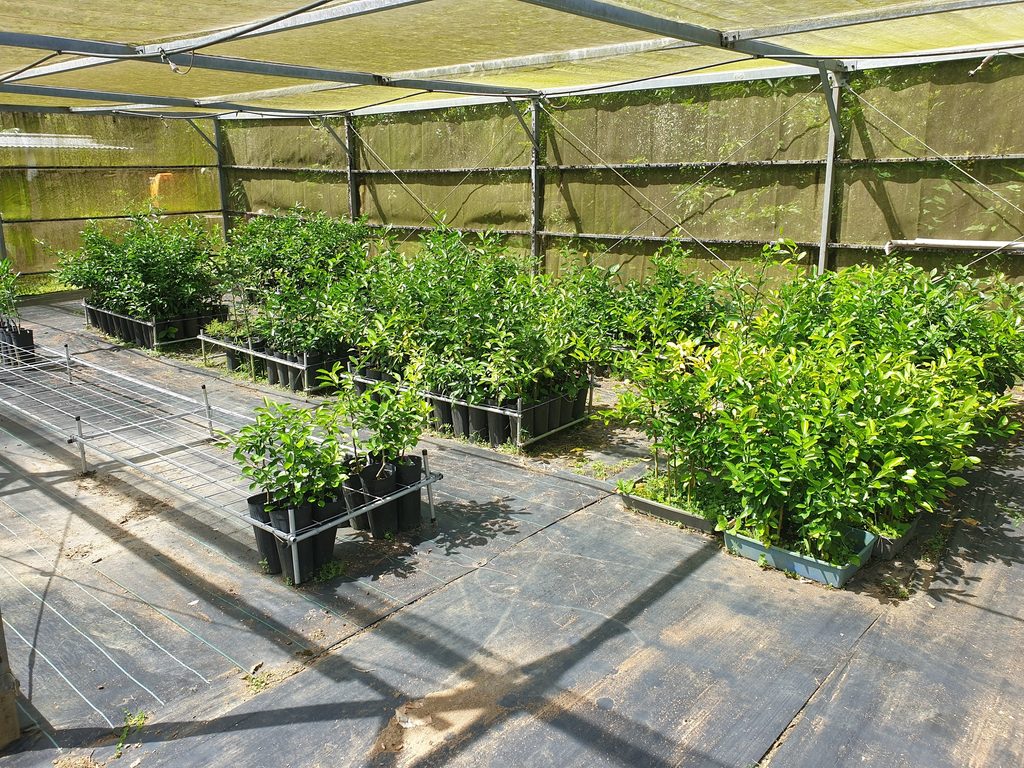
The nursery operates by growing young grafted saplings under protective nets in strictly controlled conditions. Today, it uses standard commercial rootstocks that are also common here. It then distributes these to local farmers—very often seniors—so they can replant their orchards. This ensures that only native, high-quality varieties rich in the medicinal compound nobiletin are grown in the village. In Ogimi, researchers have collected and genetically mapped more than 30 different endemic lines of the Shiikwaasa citrus.
Next to the nursery is a gene bank. It houses a collection of all citrus species from the Ryukyu and Amami archipelagos. Among them are Citrus ryukyuensis ‘Tanibuta’ and a Chinese mandarin labeled RK3, which served as a parent for Shiikwaasa. The trees are grafted onto commercial rootstocks, and some of the plants are still very small. Interestingly, they do not appear any more vigorous than the seedlings in the old orchards.
After a while, we continue on to the hidden research slopes in the village of Tsuha, north of Ogimi. It is right here—in places where the average visitor would never find their way and, in fact, has no way of getting there—that a closely guarded orchard full of botanical rarities lies. Accompanied by a local farmer, we pass dozens of Shiikwaasa, where Dr. Kinjo shows me a seedless variety (about 3 seeds per fruit). With my trees grown in a greenhouse without pollinators, seedlessness isn’t all that unusual, but I realize that in commercial orchards, every seed means a little less juice. The seedless variety will certainly have a 20% higher yield. But at the end of the orchard, we finally find what we came for: a fruiting Citrus yanbaruensis ‘Yūkunibu’ tree and a magnificent specimen of Citrus rokugatsu.
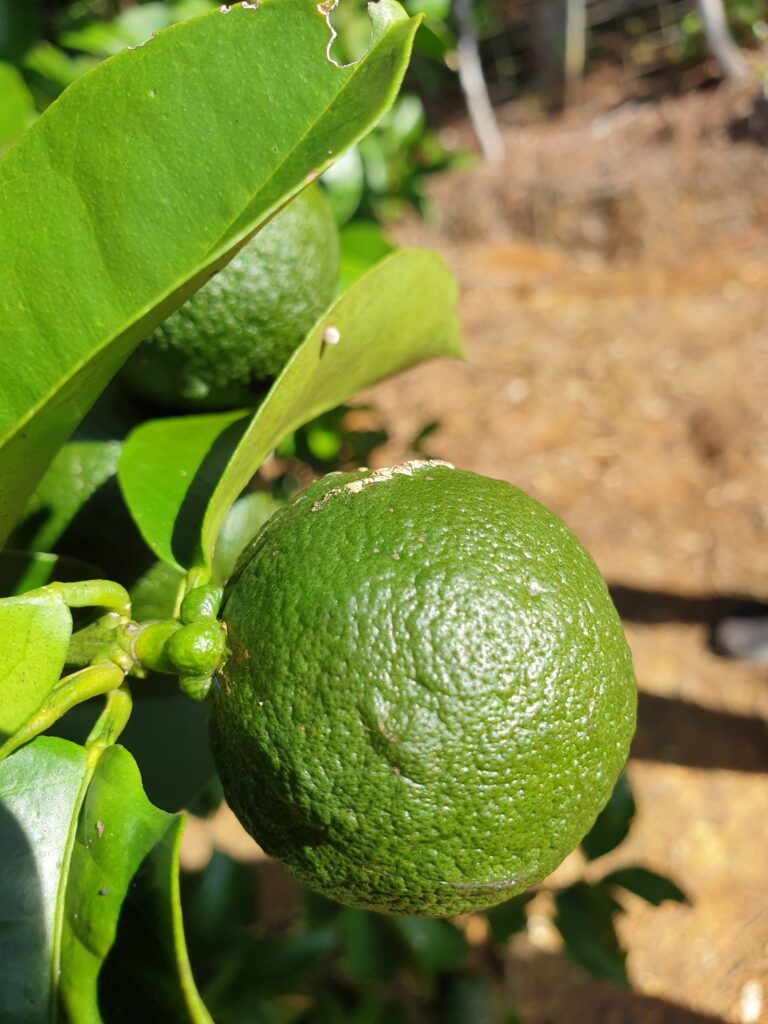
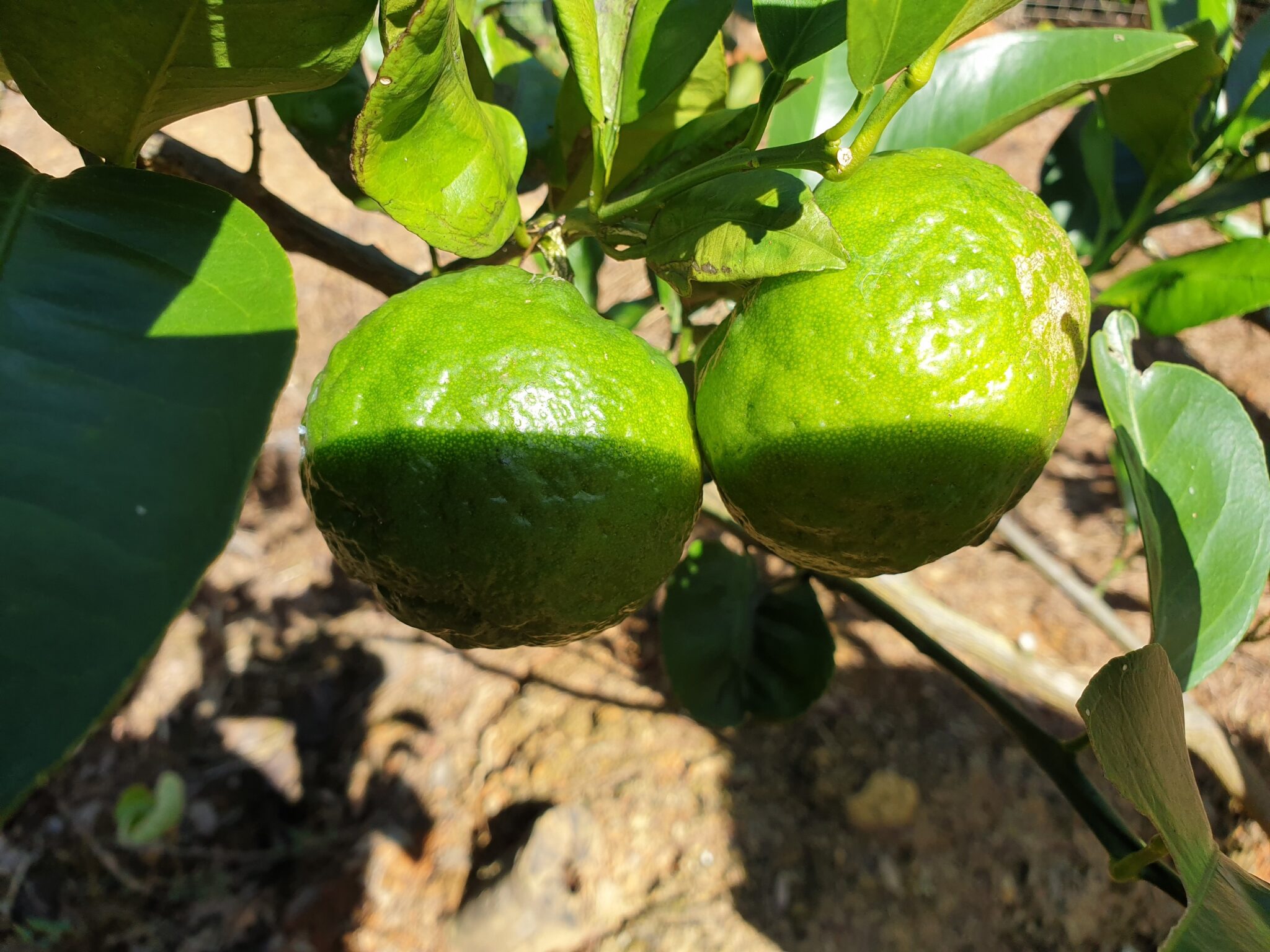
I’ve already written about the Rokugatsu mikan in my previous Search of Citrus in Okinawa. Otherwise, the tree resembles a sweet orange; it completely lacks the winged leaves typical of bigaradia. The tree is also rather dwarf in stature, and its crown is very compact. Rokugatsu was formerly found on the island of Amami Oshima and gradually spread from Okinawa to Kyushu. In recent years, however, it has disappeared under pressure from commercially more attractive cultivars and is now a great rarity. A citrus specimen registered under the name Citrus rokugatsu “Zadaidai” was once present in Czech collections and originated from the historic greenhouses of the late 19th and early 20th centuries at the castle in Náměšť nad Oslavou. It gradually disappeared from Czech collections. I ask Dr. Kinjo whether the designation “Citrus rokugatsu ‘Zadaidai’” was correct, but he immediately shakes his head. “There is Rokugatsu and Za-Daidai. They are two distinct cultivars. The former is a hybrid between Citrus ryukyuensis ‘Tanibuta’ and bigaradia; the latter is pure bigaradia.” We’ll probably never know for sure whether the genuine Rokugatsu was actually present in Czech collections, but it was most likely a Za-Daidai originating from French collections, where this bigarade has historically been found for several centuries.
’ll spend some time on Citrus yanbaruensis ‘Yūkunibu’ It doesn’t resemble the other citrus species in the C. x yukunibu group very much. Its classification within this group was certainly surprising even to scientists. Nevertheless, it, too, is a descendant of Citrus nobilis Lour. (Kunembo) and Citrus ryukyuensis. The fruits are larger than is typical for this group; the peel is thicker and emits a pleasant aroma reminiscent of a blend of grapefruit, yuzu, and mandarin—delicate, sweet, and refreshing, suitable for flavoring beverages and dishes. The species is critically endangered because, by today’s standards, its juice is too acidic. As early as the time of his survey, Tanaka (1957) documented the felling of trees due to the fruit’s unsuitability for commercial sale. Remnants of the population are preserved on farmsteads in Ōgimi-son and Kunigami-son in northern Okinawa. It is definitely a plant you won’t see every day. I thank the local farmer who patiently waited while I photographed his trees from every angle, and we head back to the coast along a treacherous little road. I admire Dr. Kinjo for managing, at his age, to navigate the meter-wide potholes on the mountain road in his company car.
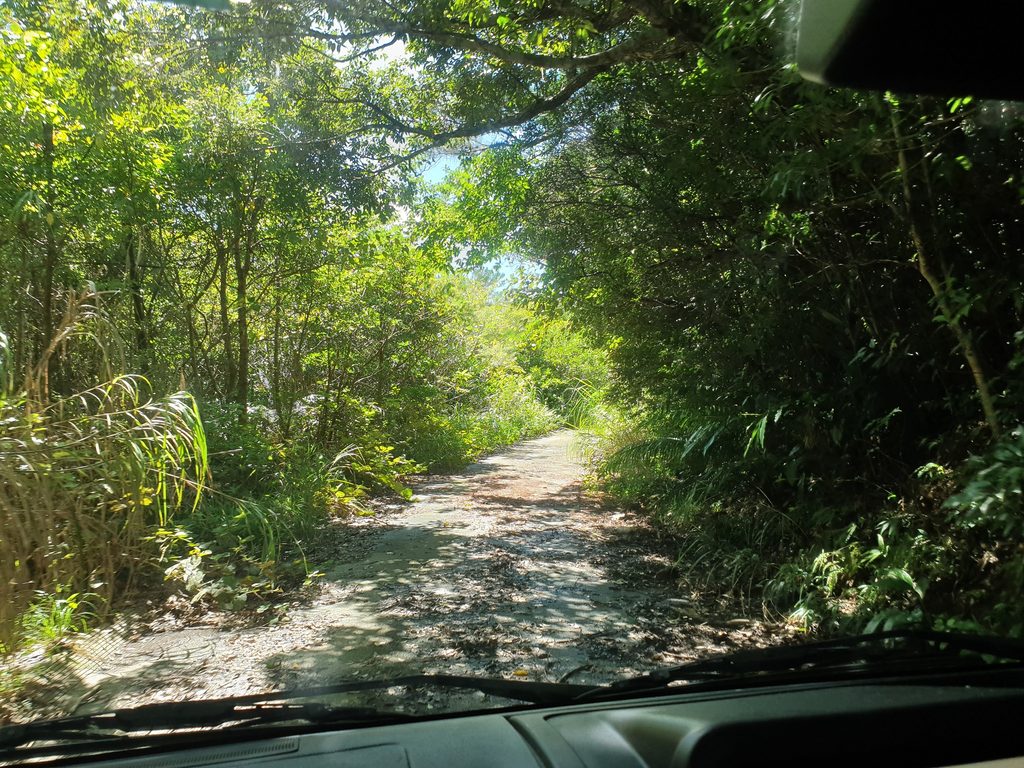
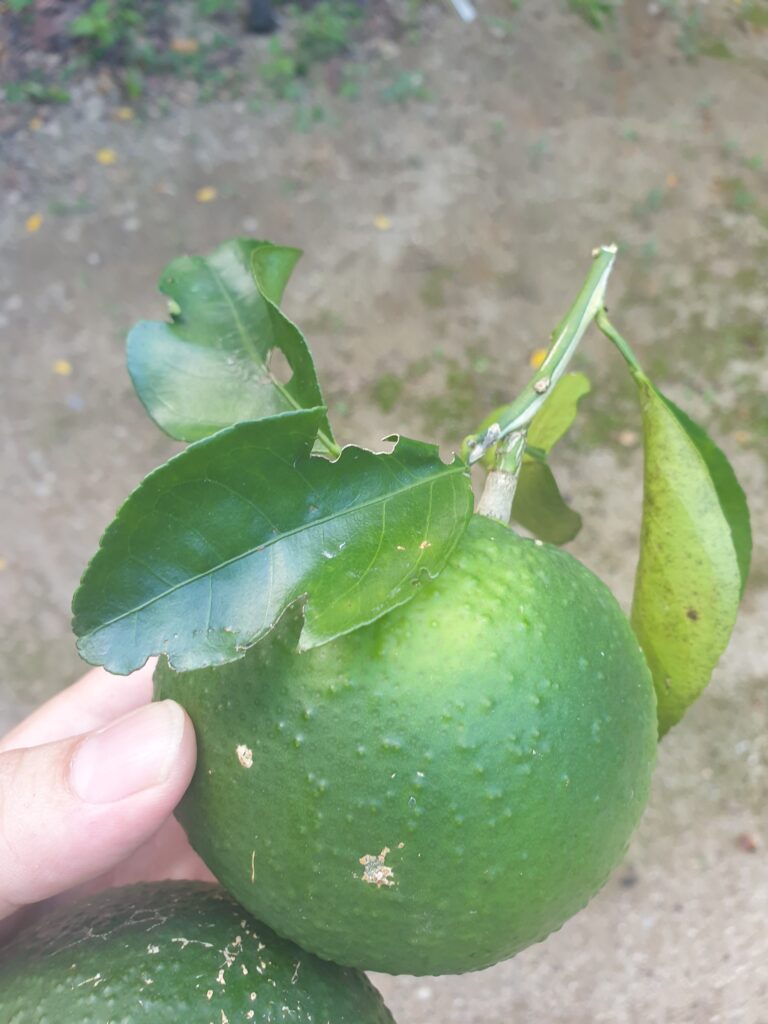
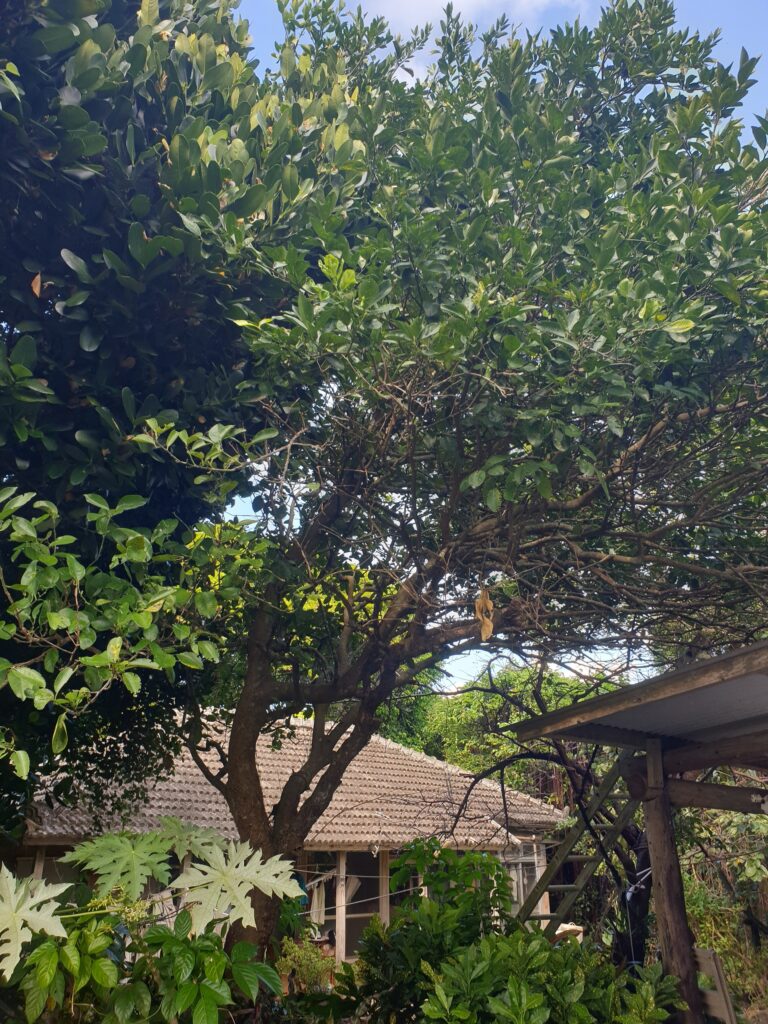
Finally, we find ourselves on the coast, heading toward our last stop at the home of Mr. Noboru Teruya in the hamlet of Tokijin (Nakijin-son), the absolute highlight of my entire Okinawa expedition. This 85-year-old eyewitness is, in essence, the “living guardian” of one of the rarest trees on the planet. Mr. Teruya’s tree was officially recorded in a groundbreaking scientific study (Wu et al., 2021) and assigned the international scientific code Accession R00. It was precisely from the leaves and fruits of his tree—which scientists sequenced in laboratories—that researchers determined that Citrus luteo-turgida (‘Deedee’) is a unique first-generation (F1 hybrid) resulting from a cross between the Okinawan wild Shiikwaasa and an imported pomelo. The village of Tokijin is located in the Nakijin area. This is a historically significant site—it is home to the ruins of Nakijin Castle (a UNESCO World Heritage Site) and an old seaport where merchant ships from China and Southeast Asia have docked for centuries. Scientists believe that it was the inhabitants of this settlement who once obtained the exotic pomelo from China at the port. It then naturally crossed with the wild Okinawan mandarin in their gardens.
Mr. Teruya owns a majestic tree, approximately 5 meters tall, estimated to be more than 35 years old. The tree grows wild and unmanaged, and bears a full crop every other year. The owner does not sell the fruit commercially, but gives the large citrus fruits away as a treat to his neighbors and acquaintances. He also preserves an old Okinawan custom that has nearly disappeared today. Because Deedee fruits have an aromatic peel rich in essential oils, they are dropped whole into hot water in a bathtub. According to locals, this relaxing aromatic bath has powerful healing and invigorating effects. Mr. Teruya’s tree is one of only two Deedee trees that have survived to the present day and are still bearing fruit. The second tree (also in Nakijin-son) is a sapling from the original tree, which is now dead; this tree is estimated to be 60 years old, while the original tree was, according to local accounts, over 100 years old.
While Dr. Kinjo takes a rickety wooden ladder out to the backyard of a small cottage to pick a few large, fragrant fruits, I take photos in the company of a cow and lines of laundry. If I were to swap this unique tree for any other, I could just as easily be in the yard of a cottage in some remote Czech village. Well, that’s how science is done.
It’s getting late, so I have to say goodbye to Dr. Kinjo. He kindly invites me to a local festival the next day, but I know I’ll have to fly to Kagoshima that night, so I have to politely decline. As dusk falls, I return to my hotel in Naha.
I’m planning to spend the next day mainly relaxing, but of course I’ll also take a walk around the city of Naha. The temperature is still very pleasant for September, around 35°C, and prices are reasonable. Lunches range from 300 to 900 yen—about 2 to 5 EUR—a large bottle of Coke costs 200 yen (1 EUR), and a liter of gasoline costs 170 yen (0.9 EUR). On top of that, Okinawa offers beautiful beaches. So if you’re thinking about an exotic vacation and don’t mind a longer trip, this is the place for you.
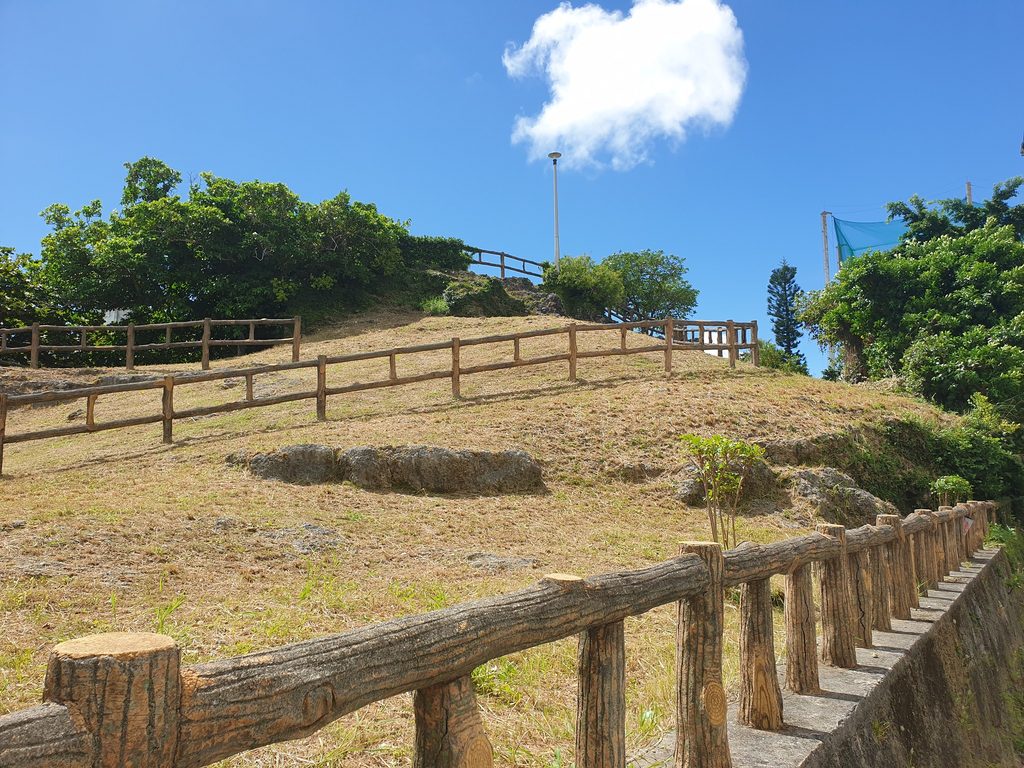
After visiting the park and a few nearby attractions, I have to return the rental car and get ready to head to Kagoshima, where the second half of this year’s expedition—which promises to be just as interesting—awaits me.
Search for Citrus in Okinawa 2025 – Exploring Citrus in Kagoshima