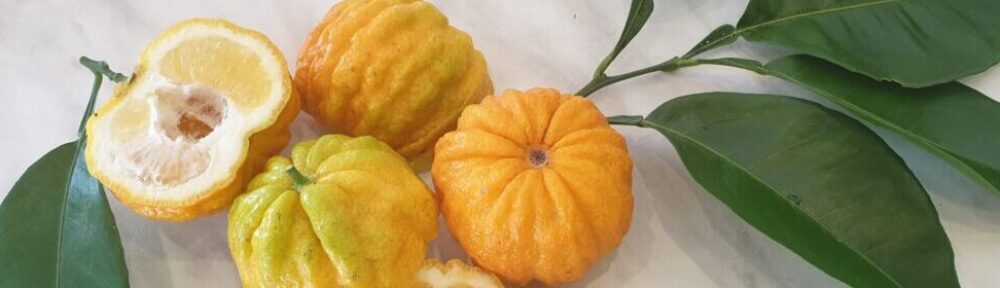
The Prague Citrus Growers Association, in cooperation with the Botanical Garden of the Faculty of Science at Charles University, organized its traditional citrus exhibition from September 25, 2026, to October 4, 2026.

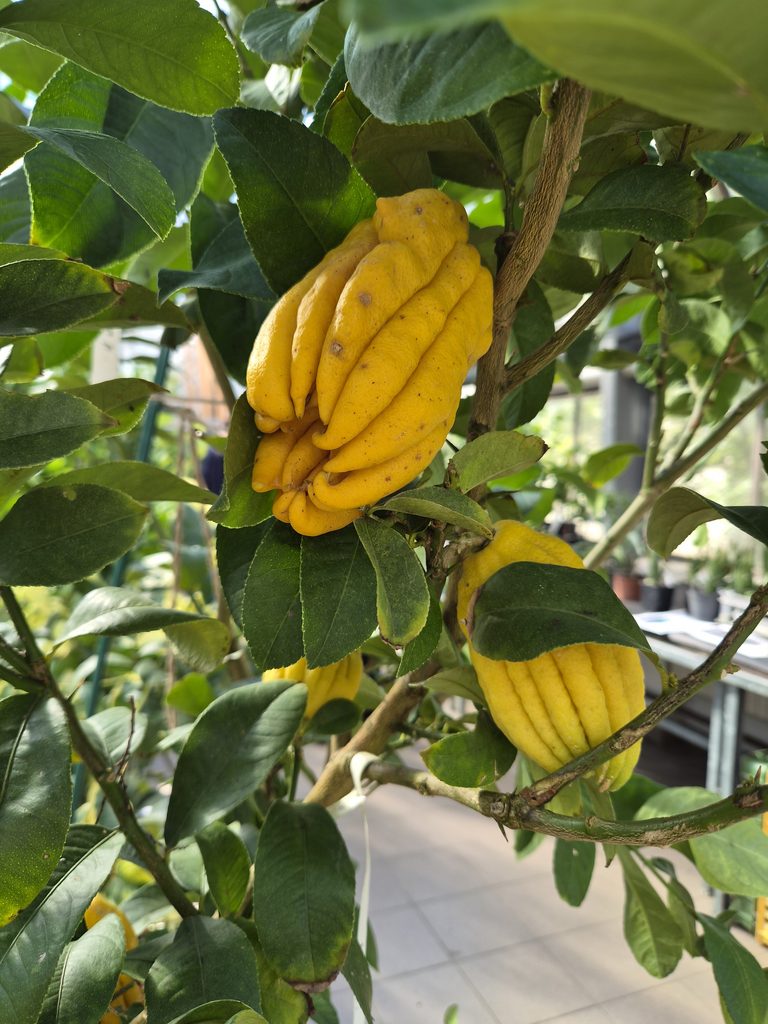
This year’s exhibition was particularly interesting. A wide variety of citrus fruits was on display. Visitors could admire dozens of well-known and lesser-known varieties and cultivars of citrus trees. The exhibition drew visitors with both the plants themselves and their amazing ripe fruits. On display were rarer fruits with unusual appearances and origins that you won’t find in regular stores—such as the sought-after Buddha’s Hand or specific citrus varieties from Japan and Australia. This year, the plants on display were accompanied by more detailed descriptions and QR codes, which allowed interested visitors to easily find out more about the origin and characteristics of each cultivar. Experienced members of The Prague Citrus Growers Association were on hand to provide assistance. Visitors could consult with them about gardening issues or purchase certified grafted plants and inexpensive surplus seedlings and cuttings from the association.
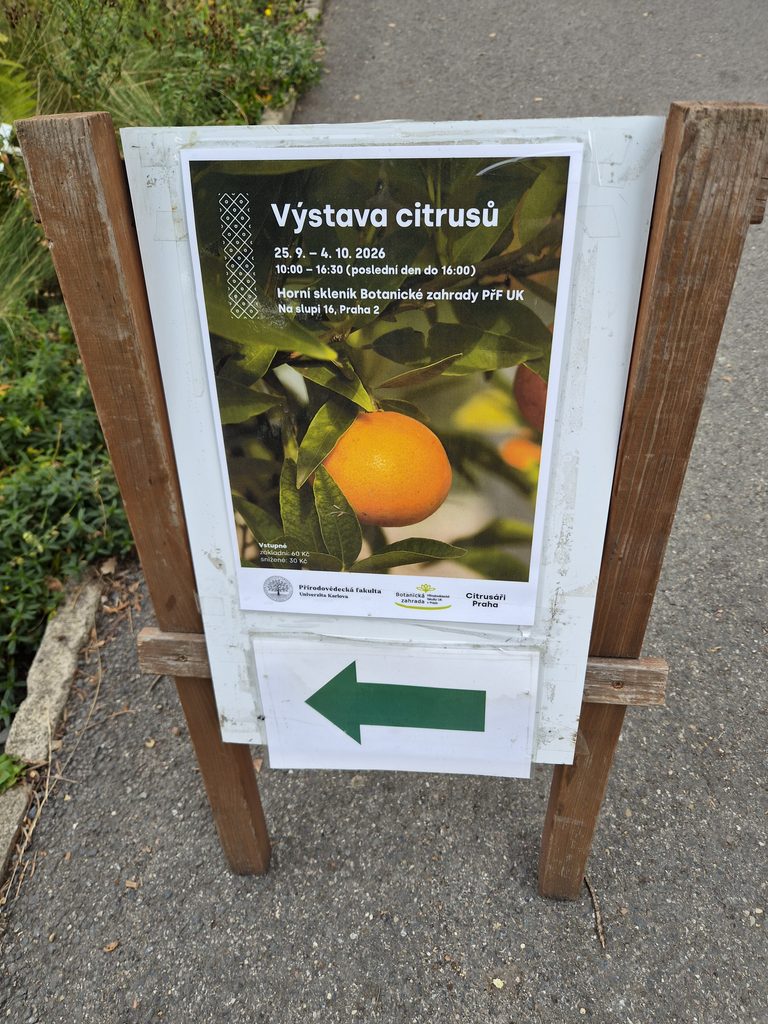
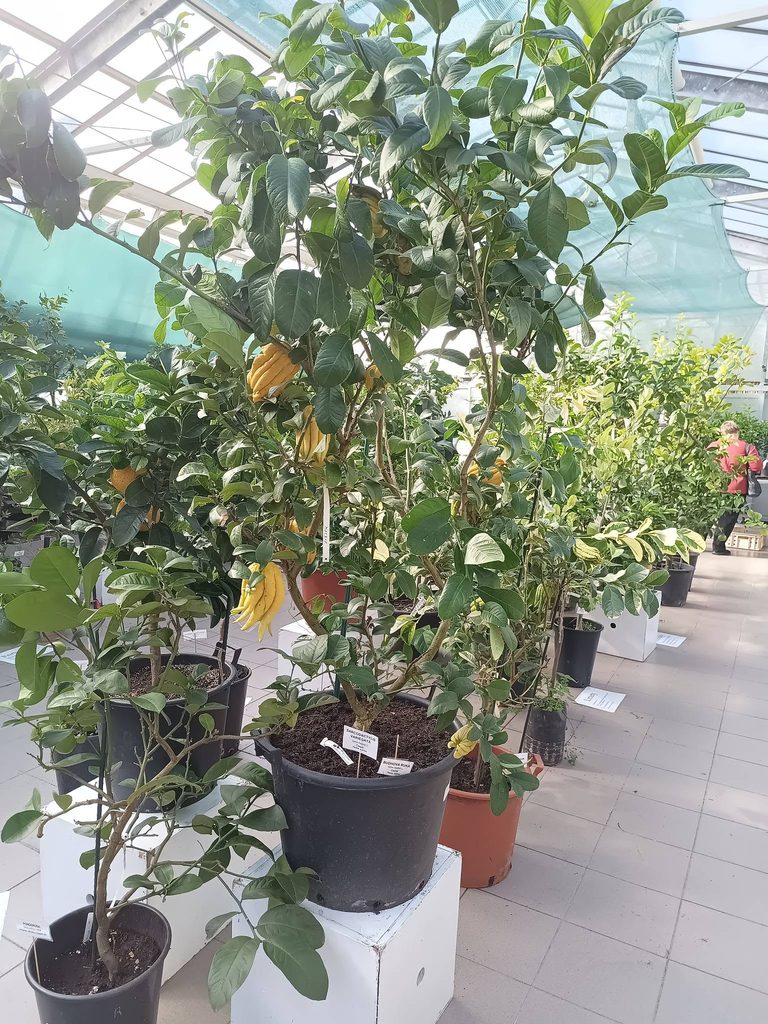
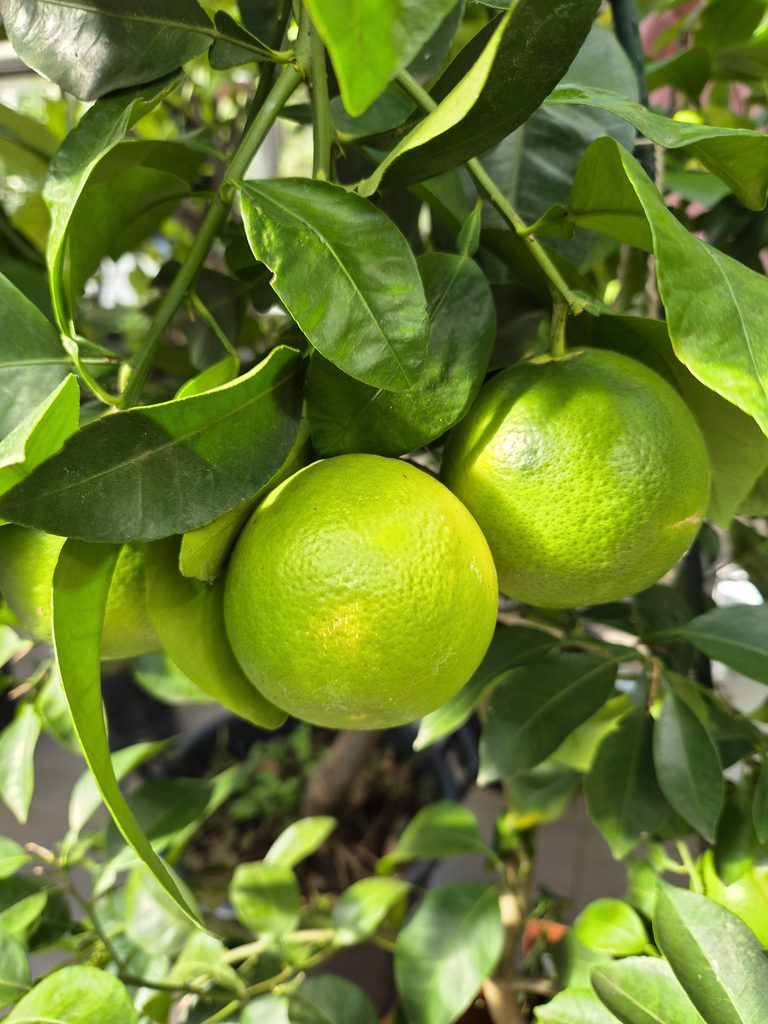
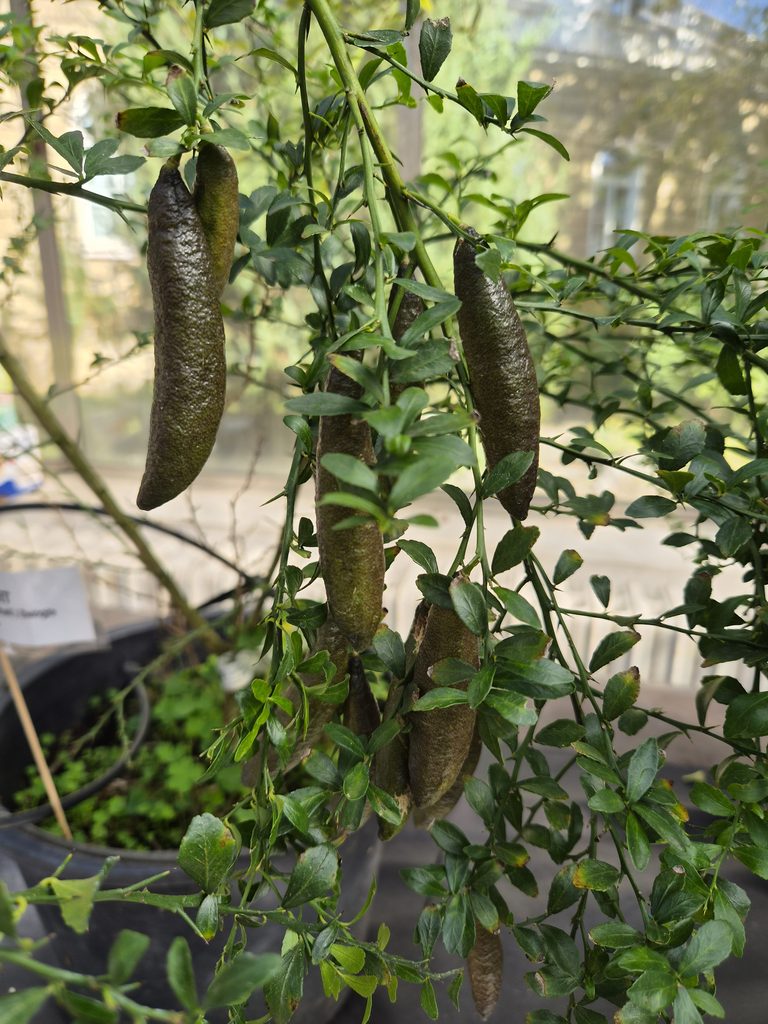
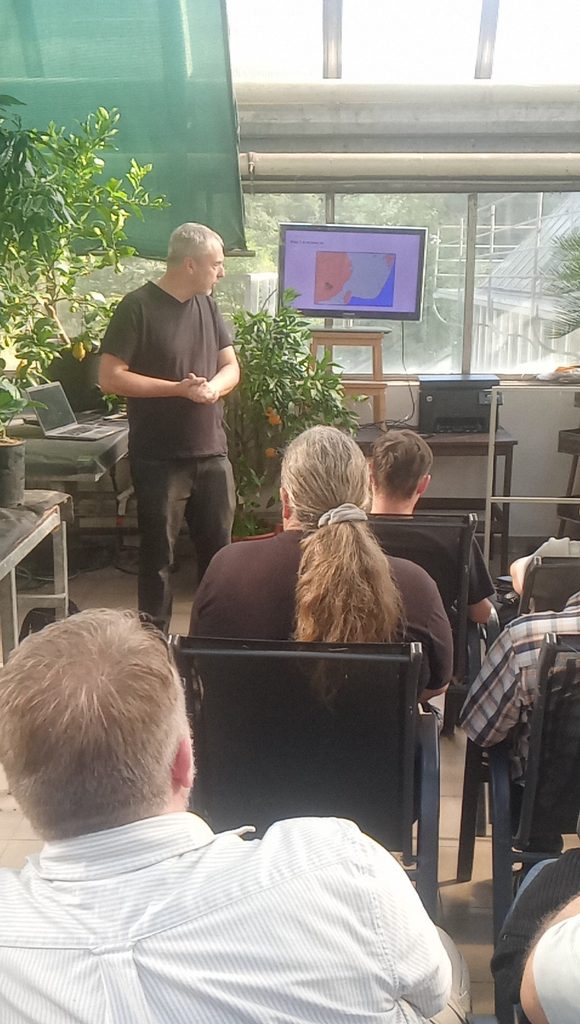
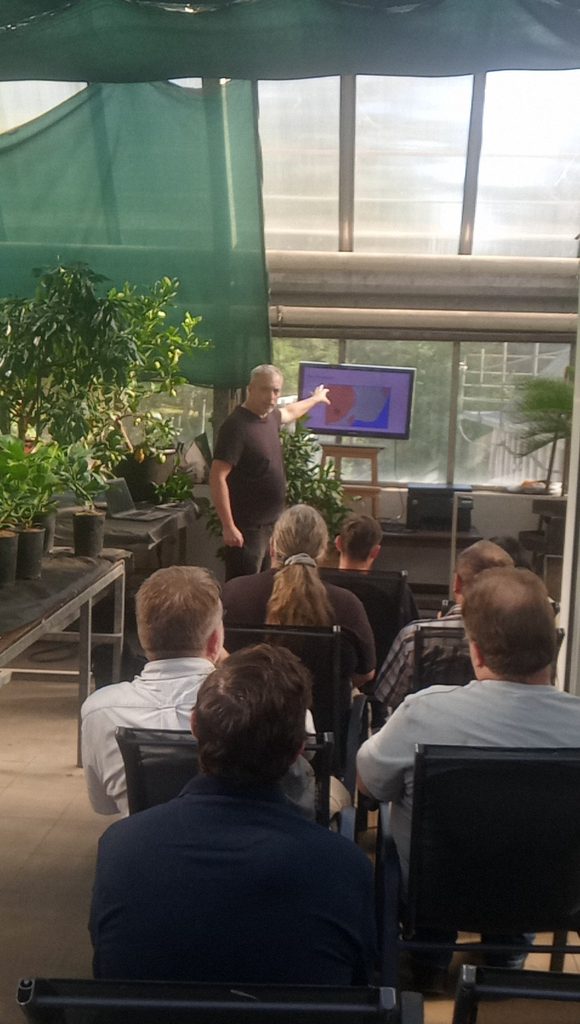
Specialized lectures were held on Saturdays. Topics included the basics of growing citrus fruits in the Czech climate, as well as stories about citrus fruits from travels through Southeast Asia. It was a pleasure for me to lead one of these lectures on the topic of Southern Japan. I hope the participants enjoyed it. The lecture covered citrus fruits on the Ryukyu, Amami, and Kyushu islands, their connection to Japanese history and culture, and a brief overview of the latest genetic research by Japanese scientists from Ogimi in Okinawa and Kagoshima University in Kyushu. You can find more detailed information online about my travels and these citrus fruits here: JAPAN 2025 and JAPAN 2024.
Originally, I simply wanted to write: “The exhibition has been held since the year X.” But the history of Prague’s citrus exhibitions is much more interesting. It is the story of Czech amateur horticulture. Today’s visitor standing in front of a mandarin tree laden with fruit in a Prague greenhouse may have no idea that behind this plant lies more than half a century of organized citrus cultivation in Prague, hundreds of growers, several exhibition venues, and generations of people who passed down not only citrus cuttings but, above all, their experience. And in this sense, the Prague Citrus Exhibition continues a tradition that began long before the exhibition took on its current form.
Half a Century of History and a Passion for Growing
The Prague tradition is not just the story of a single exhibition. Over the decades, the venues, organizers, and magazines—and today, even online platforms—around which the community of growers gathered have changed.
The Beginnings of Organized Citrus Cultivation: April 9, 1974
Surprisingly, we know the exact date. The SZO ČZS Prague I Citrus Growers’ Association was founded on April 9, 1974, as the first specialized organization within the Czech Gardening Association to bring together those interested in citrus, subtropical, and tropical plants. Among other things, this was spurred by the popular articles of Professor Truhlář and, in particular, the efforts of Professor Pospíšil, who promoted citrus cultivation. In 1973, the magazine Zahrádkář published a call for the establishment of citrus cultivation organizations and clubs. The organization developed very dynamically and had more than 400 members by the 1980s. In addition to member meetings, it organized expert lectures, field trips, and, above all, regular exhibitions.
The first exhibition of citrus fruits and certain tropical and subtropical plants, organized by the Prague I Citrus Growers Association, took place on November 8–10, 1986, in cooperation with the Institute of Tropical and Subtropical Agriculture (ITSZ, University of Agriculture, Prague) at the Prague Public Transport Company Hall.
From Gardening Exhibitions to the Young Naturalists’ Station
Over time, the Young Naturalists’ Station on Drtinova Street in Prague 5 became one of the main hubs of Prague’s citrus-growing community. In the 1990s and even at the beginning of the new millennium, the Prague I Branch of the Czech Horticultural Society’s Citrus Growers’ Association organized a citrus exhibition every fall at the Young Naturalists’ Station. However, the Station was not merely a venue for the annual exhibition. It also hosted regular “Advisory Thursdays,” during which members grafted citrus trees and anyone could come to consult on cultivation or have their plant grafted. This gave rise to a remarkable center for practical citrus cultivation, combining exhibitions, growing advice, grafting, and member gatherings.
Following the political and economic changes after 1989, the citrus-growing movement declined, leading to a significant drop in membership across individual organizations and even the dissolution of some citrus-growing organizations. The Prague organization was no exception. Of the former membership of more than 400, approximately 60 members remained, though only about a quarter were truly active. Nevertheless, the organization continued. It held membership meetings, lectures, “Advisory Thursdays,” field trips, and, above all, its traditional fall exhibition at the Young Naturalists’ Station.
And the exhibitions continued
In March 2003, a new organization, Citrusáři Praha, was founded. The new organization did not start out with a large membership base. Nevertheless, it managed to organize two major events during its first year. The first was a trip to Mainau Island on Lake Constance, a place known, among other things, for its collection of historic citrus trees. The second event, however, was of far greater significance for the future history of Prague’s exhibitions. It was the fall citrus exhibition organized in cooperation with the Prague Cactus and Succulent Growers’ Association. The exhibition took place at the Botanical Garden of Charles University in Prague’s Albertov district. The Botanical Garden provided the exhibition space as well as the necessary display equipment. Admission to the exhibition also included access to the botanical garden’s extensive greenhouses. The exhibition lasted ten days.
From today’s perspective, the new organization’s initiative was a success. Exhibitions associated with the botanical garden continued, and this tradition gradually became Prague’s well-known citrus exhibition. In addition to the exhibits themselves, something remained that had been a part of Prague’s citrus cultivation for much longer: expert advice, the exchange of experiences, the opportunity to obtain planting material, and direct contact with experienced growers.
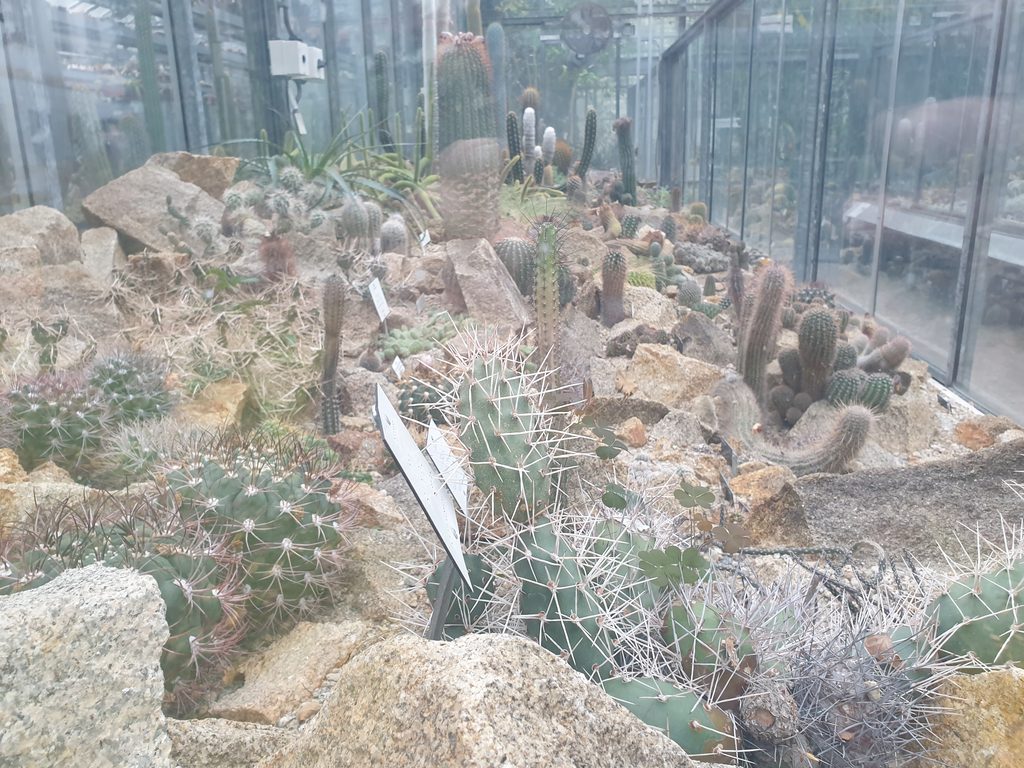
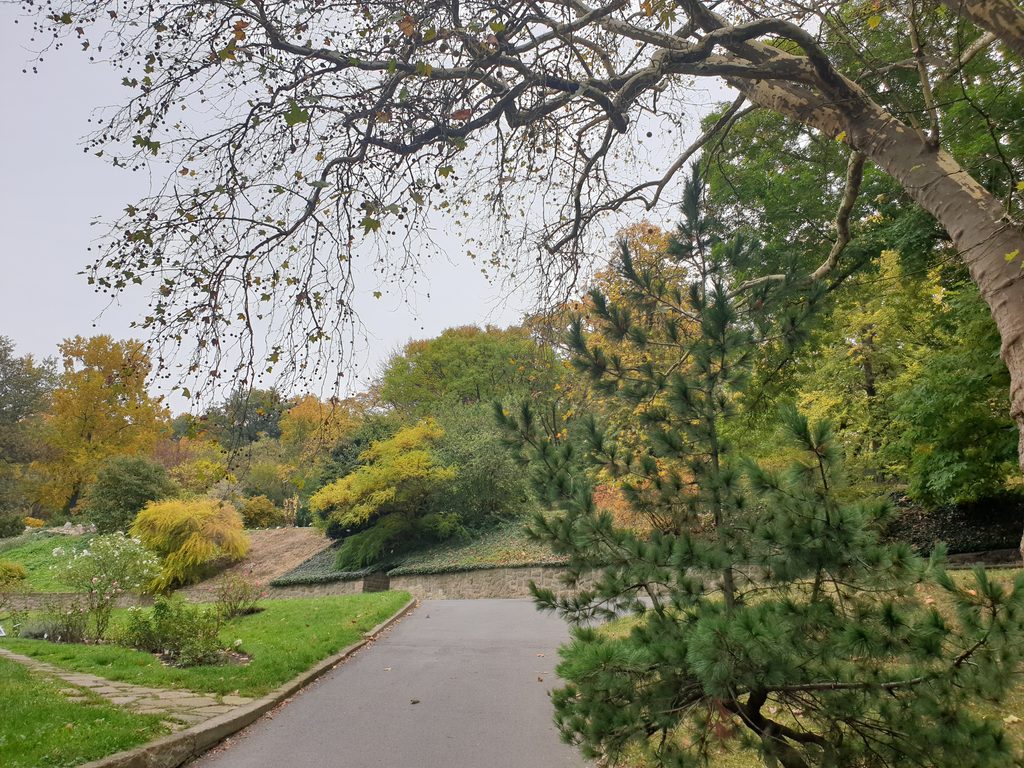
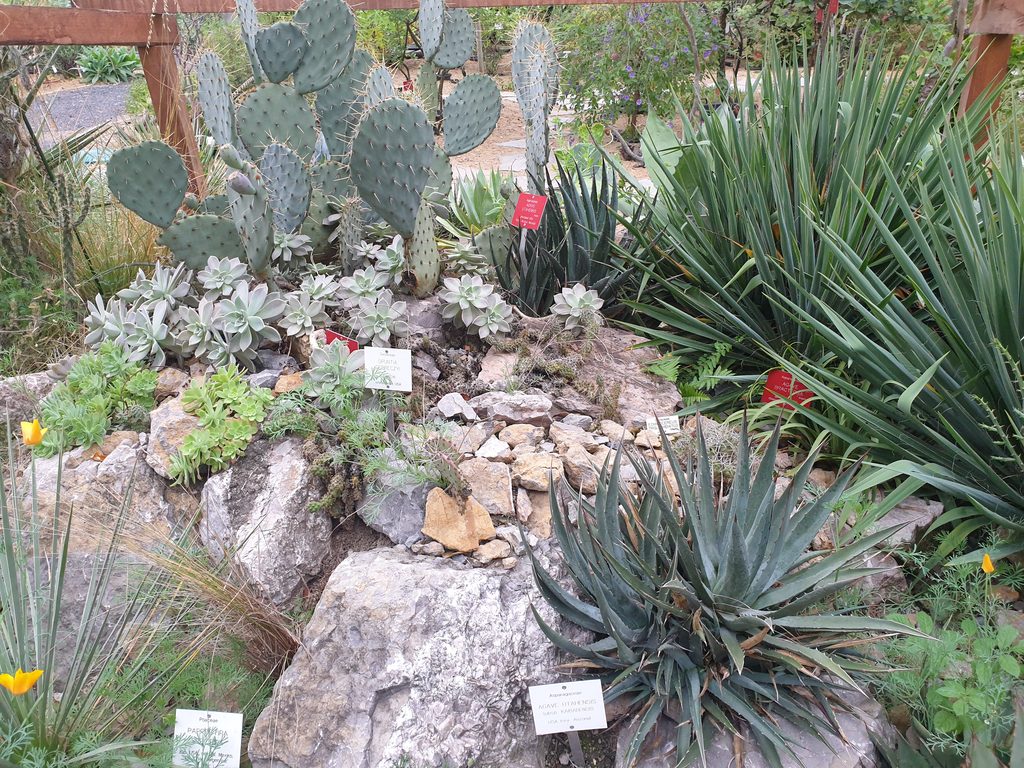
Na Slupi Botanical Garden: A Little Piece of the Subtropics in the Heart of Prague
Let me briefly introduce the venue where the citrus exhibition is taking place. Just a few minutes’ walk from Charles Square lies one of Prague’s most remarkable and oldest gardens. The Botanical Garden of the Faculty of Science at Charles University is not merely a green oasis in the city center. It also carries on an exceptionally long tradition of university-led plant cultivation and study in Prague.
The university botanical garden was founded as early as 1775, though originally in Smíchov. Its subsequent fate was significantly influenced by the great flood of 1890. The garden was subsequently moved to the area now known as Na Slupi, where its collections were transferred between 1898 and 1900.
The new site, however, was not a horticultural wasteland. It was home to the former Public Garden, and greenhouses had been located there since 1882. After the university garden was moved, additional greenhouses were built, and the new complex was officially opened in 1898.
The botanical garden at that time was divided between the Czech and German sections of Prague University. Both sections developed independently and established their own exhibits. Even the greenhouses here were not spared the events of the 20th century. The upper greenhouses were destroyed during an Allied air raid on Prague on February 14, 1945, and the lower Czech greenhouses were damaged. Between 1946 and 1949, a new greenhouse complex consisting of fourteen separate structures was therefore built. Another major renovation of the greenhouses took place between 1995 and 1998.
Tropical and Subtropical Plants in the Heart of the City
The garden features both outdoor and greenhouse displays. The greenhouses feature tropical vegetation as well as plants from dry subtropical regions, including an extensive collection of cacti and succulents. Plants from humid subtropical regions are displayed outdoors in the summer according to their regions of origin and are moved to a large cold greenhouse for the winter.
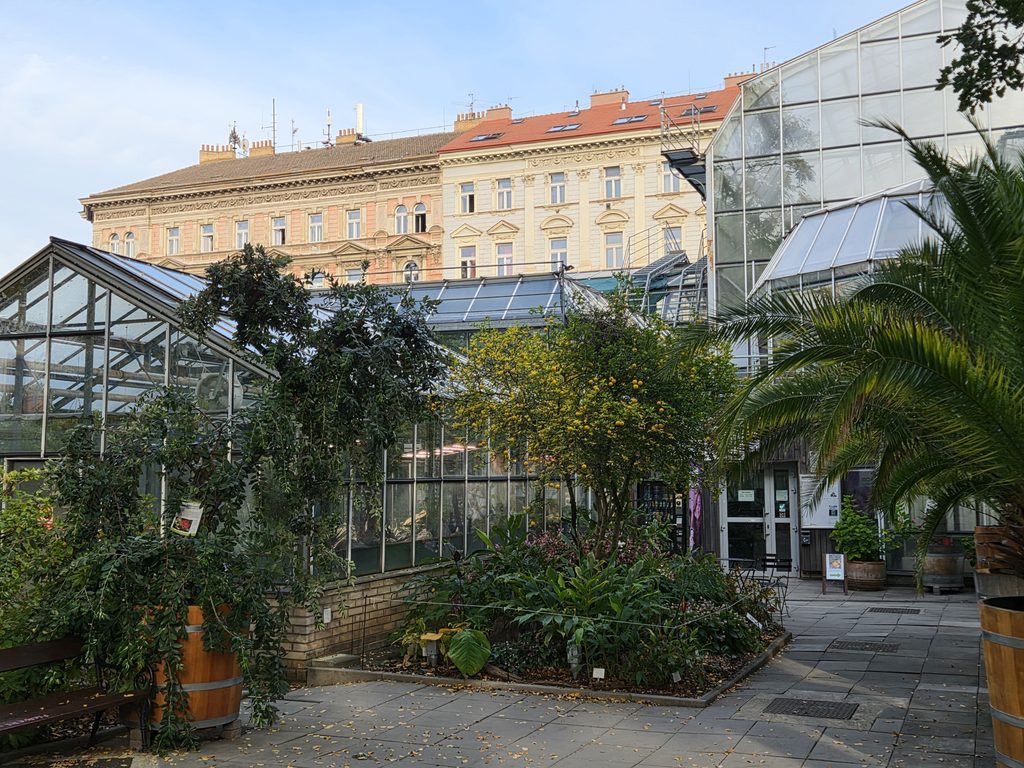
Some old plants possess a special charm. For example, the collections include mature cycads, camellias, and myrtles that date back to the 19th-century university garden in Smíchov.
It is precisely this combination of university botany, historical collections, and living greenhouses that creates an environment into which the citrus exhibition fits naturally. The garden does not have its own large citrus collection, although we can find a few smaller specimens here as well. The most significant tree for citrus enthusiasts here is the local three-leaved citron (Poncirus trifoliata), whose fruits I used to pick as a boy to later use as my first rootstocks. Even back then, it was a mature, large, fruit-bearing tree.
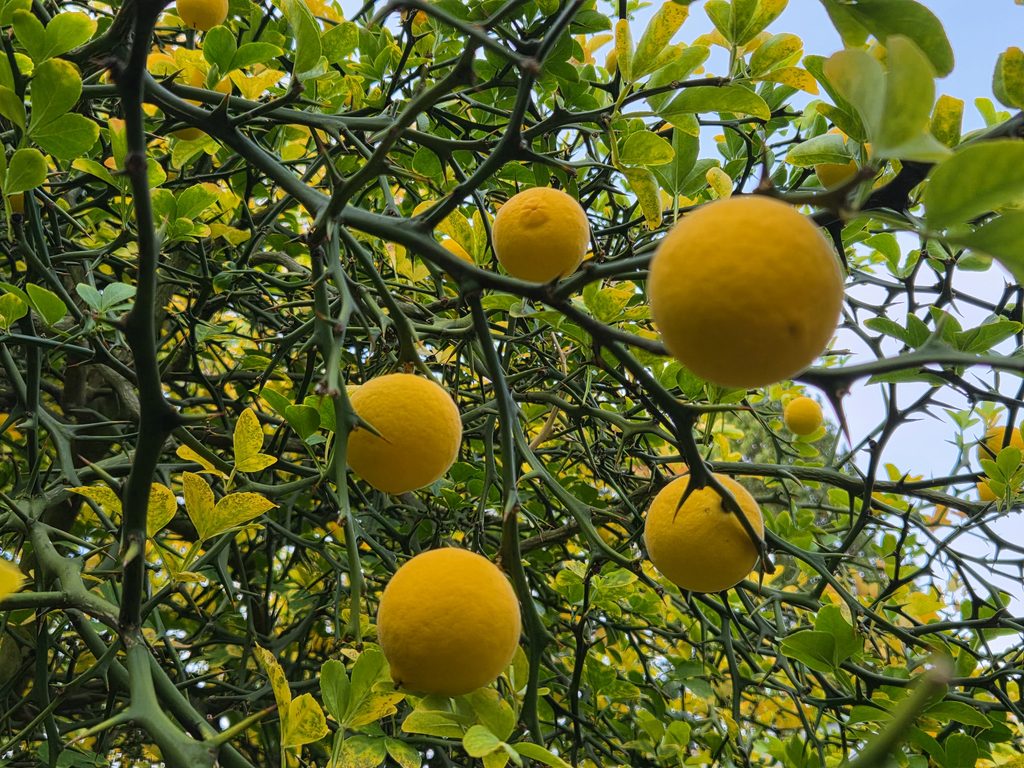
The local Poncirus is considered one of the oldest and most significant specimens of its kind in Central Europe. The exact date of its planting is not clearly documented in the archives; however, experts and the citrus-growing community estimate its age to be at least 60 to 80 years, possibly dating back to the postwar years (around 1945–1950). The tree grows outdoors in close proximity to the walls of the main exhibition greenhouses. It is precisely this sheltered location, which accumulates heat from the greenhouse walls, that has enabled it to survive even extreme Czech winters (e.g., in 1978–1979 or during the frosts of the 1980s), which are often fatal to younger Poncirus trees. Every year, the tree bears an abundant crop of small, fuzzy, and inedible fruits full of seeds. For decades, seeds from this particular tree served as a valuable foundation for cultivating hardy rootstocks onto which Czech citrus growers grafted noble varieties.
While encyclopedias often state that the maximum lifespan of a Poncirus tree under Central European conditions is around 25 years, the “Na Slupy” specimen has exceeded this standard limit several times over, making it, in its own way, a true botanical legend among Poncirus trees. Every fall in the garden, it attracts attention with its bright yellow fruits on fallen, thorny branches and serves as an indispensable backdrop for the traditional Prague Citrus Exhiitions.
A Garden That’s Still Alive
The Botanical Garden of the Faculty of Science at Charles University is not a historical open-air museum. It is a functional facility of the Faculty of Science at Charles University; its outdoor areas and greenhouses are open to the public, and the garden also fosters the faculty’s engagement with the public. Admission to the outdoor exhibits is free.
And this is perhaps the best setting for citrus exhibitions. A visit does not end with the individual plants on display. The citrus plants find themselves in the midst of a genuine botanical collection, where their diversity can be placed within the much broader context of tropical and subtropical flora.
The citrus exhibition at Na Slupi thus brings together two traditions: more than two centuries of botanical research at Prague’s university and more than half a century of organized Czech citrus cultivation.