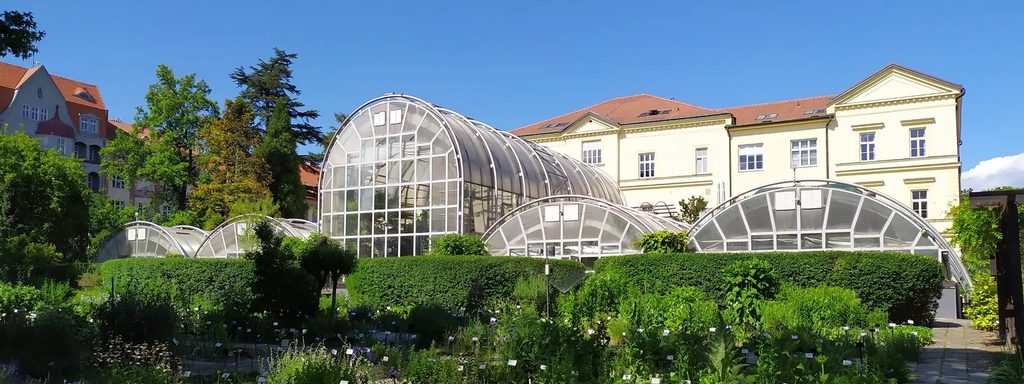
In mid-October, the Botanical Garden of the Faculty of Science at Masaryk University in Brno was transformed into an oasis of exotic scents and vibrant colours. From 14 to 18 October 2026, it hosted another edition of the traditional exhibition and sale of citrus fruits and other subtropical and tropical fruit plants. Organised by the garden in collaboration with the experienced association Citrusáři Brno, this year’s event took visitors on an imaginary journey across the ocean – the main theme was citrus fruits grown in the Caribbean and North America.
Exotic plants under glass: From the Caribbean to unusual rarities
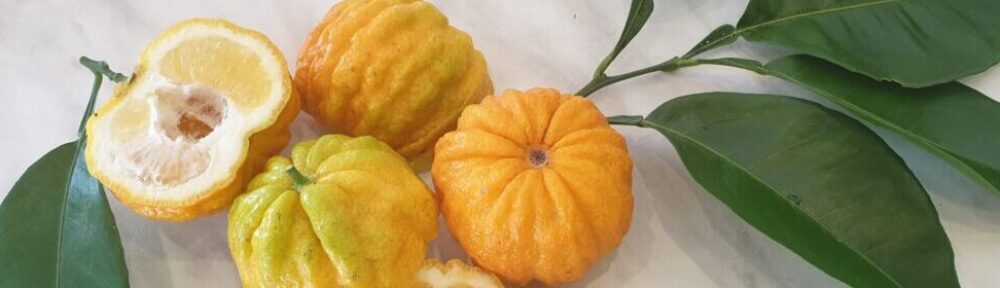
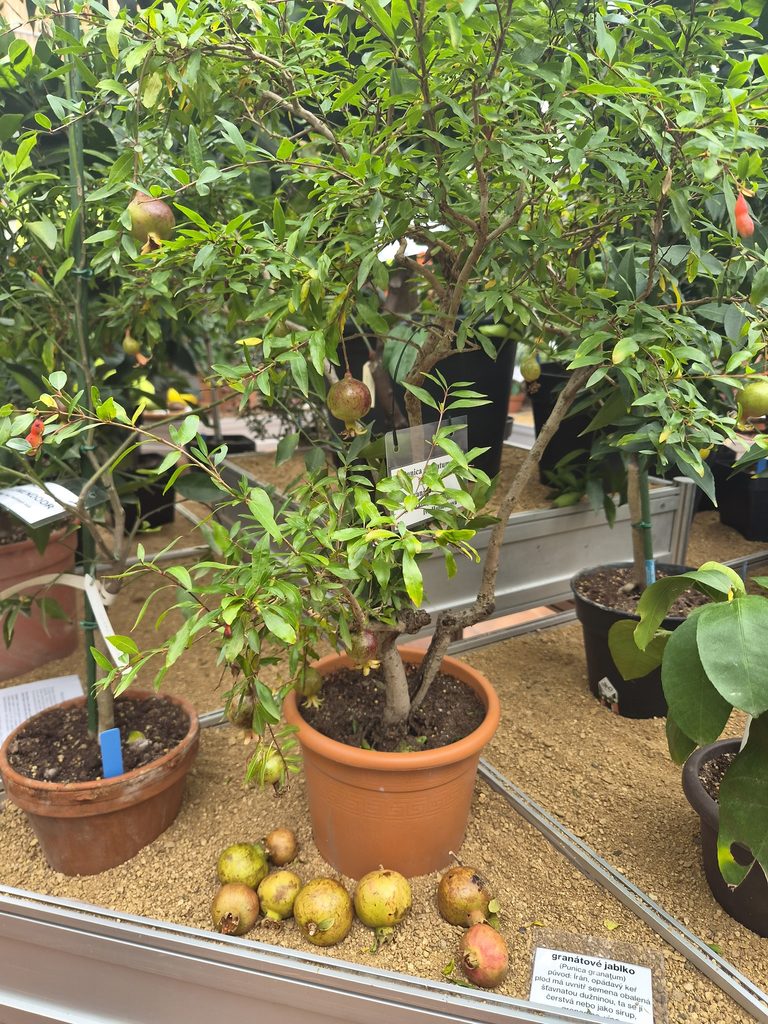
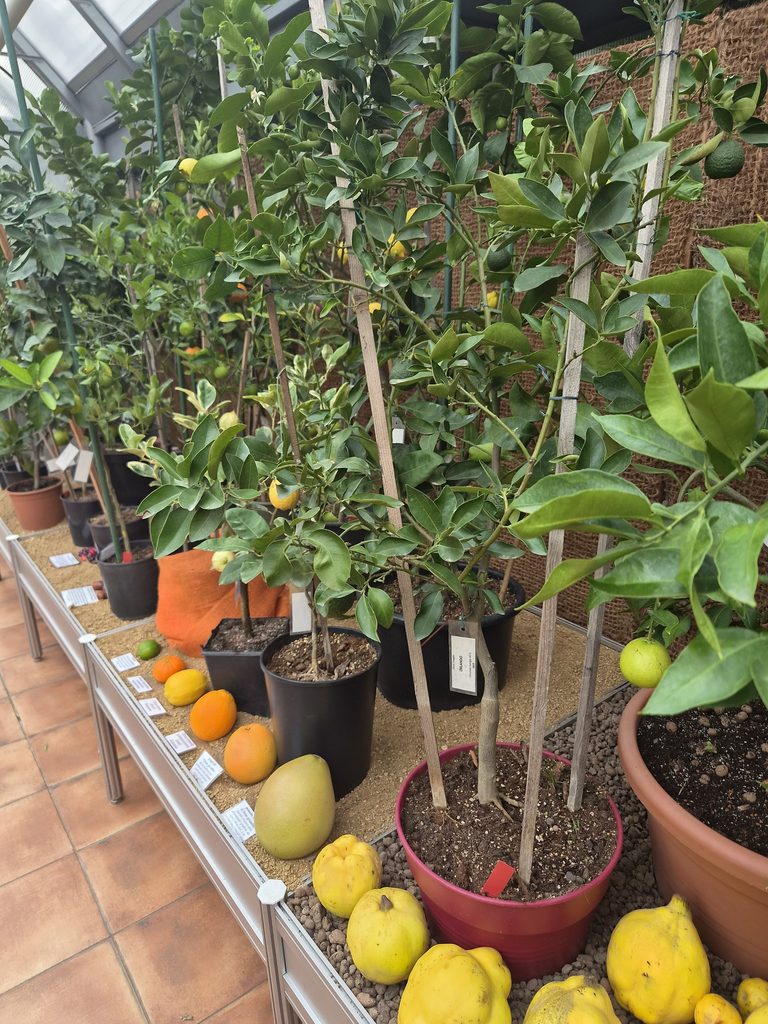
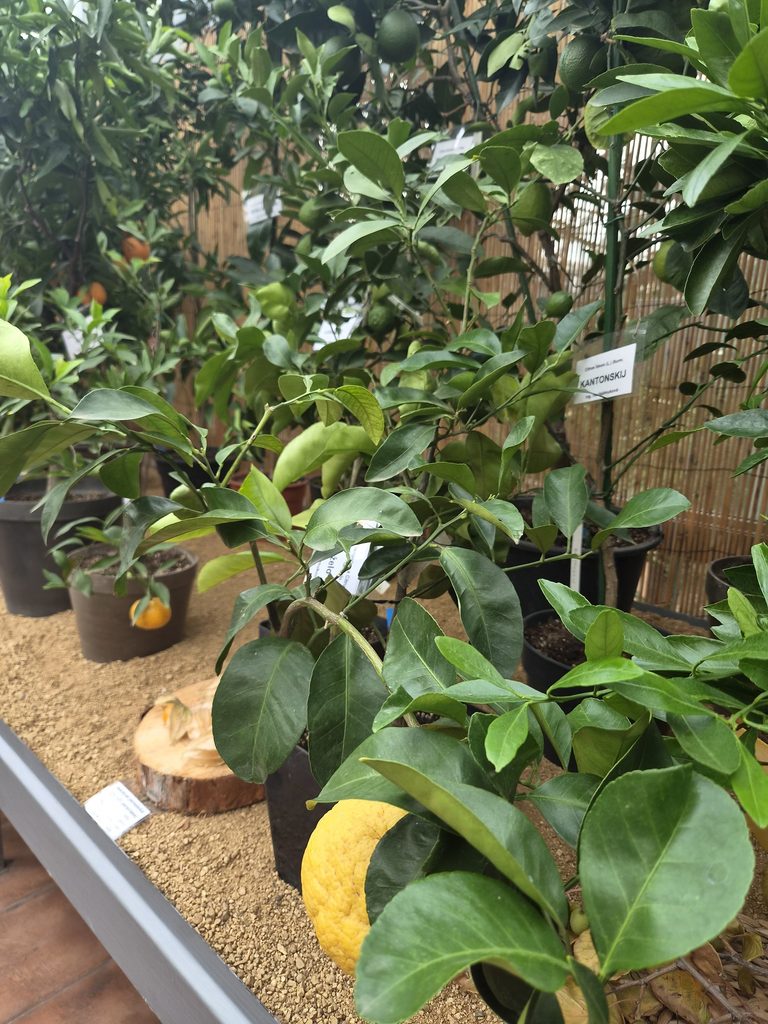
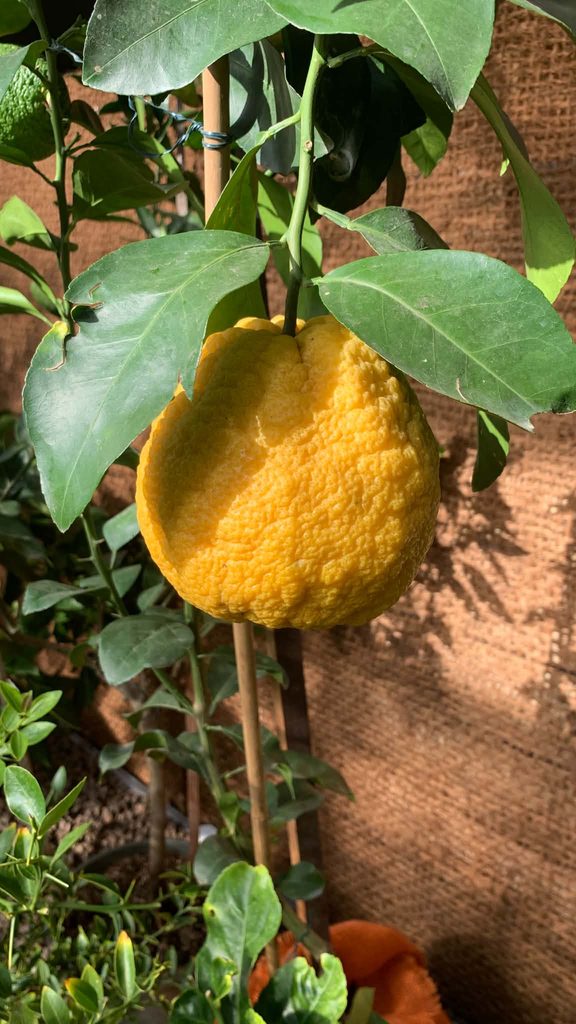
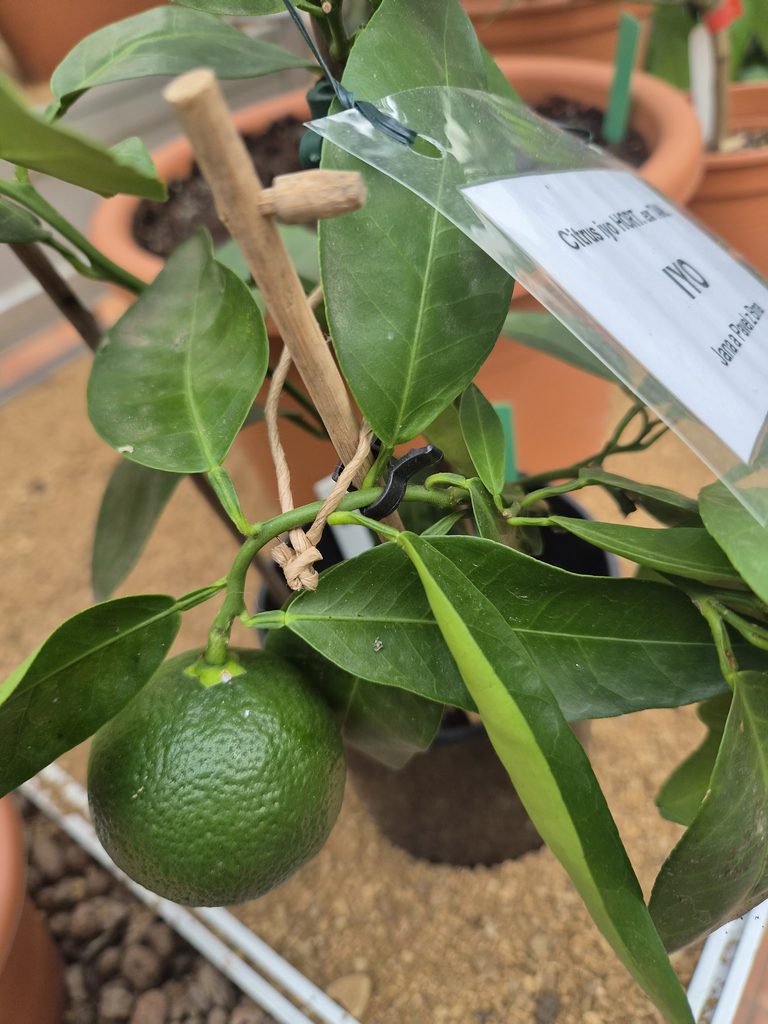
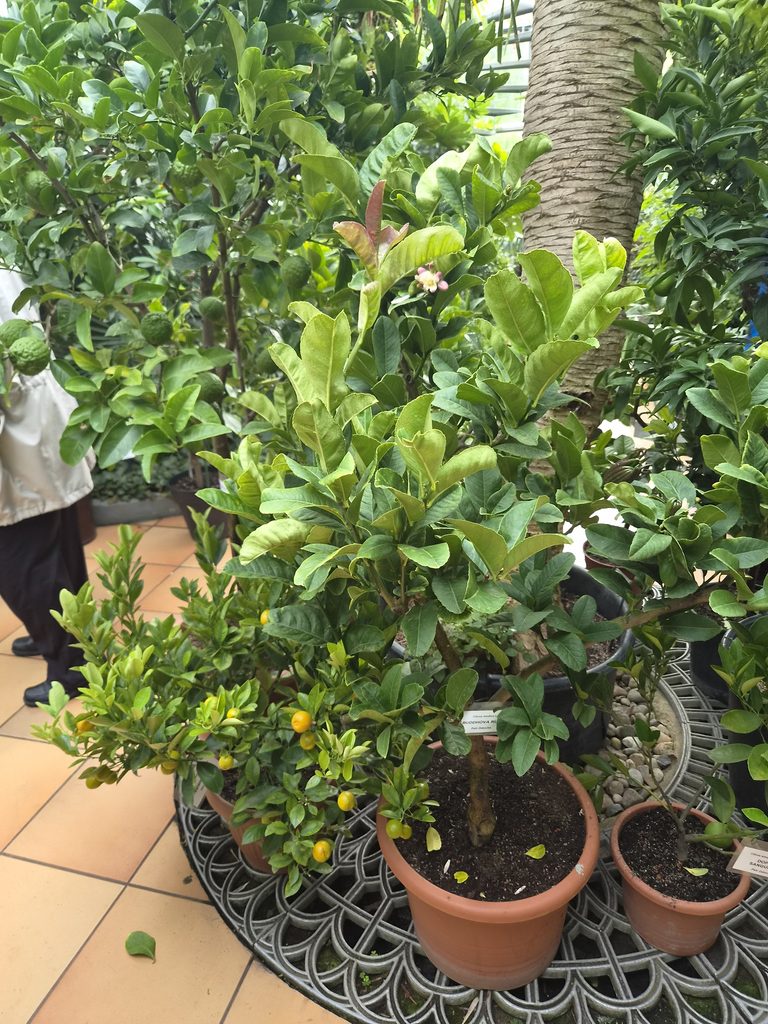
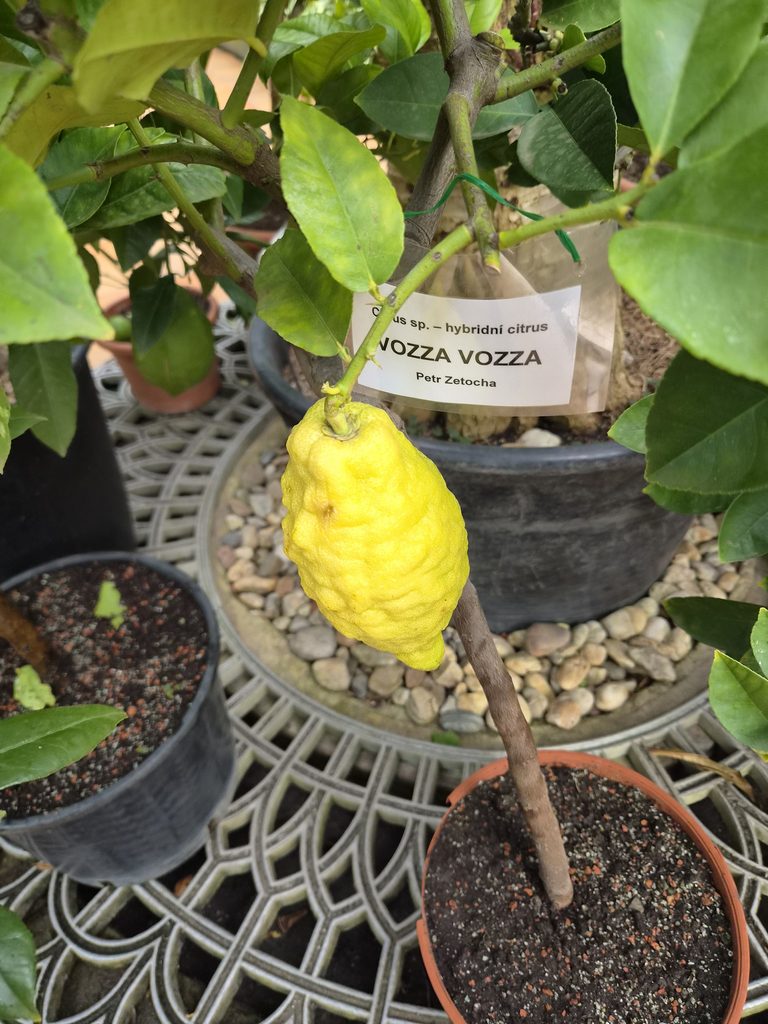
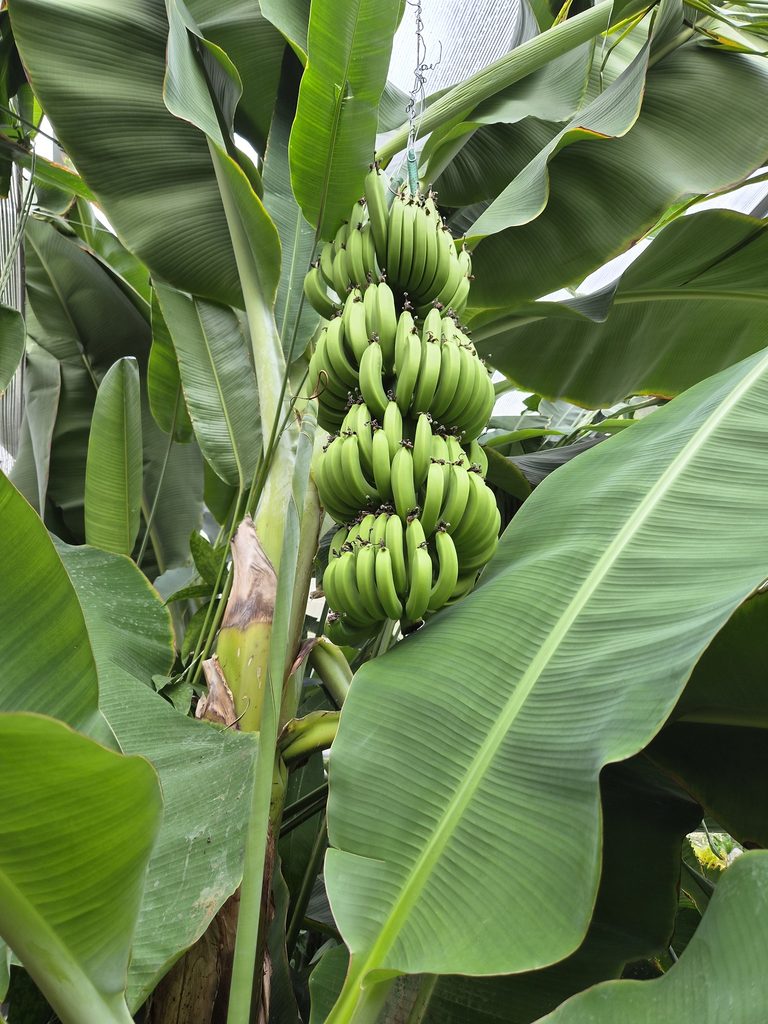
Visitors were able to admire 168 unique plants laden with fruit in the sun-drenched greenhouses in Brno. On display were classic lemon, orange and lime trees, but it was the botanical curiosities that attracted the most attention. For example, people marvelled at ‘Buddha’s Hand’ citron trees and tangors – special hybrids of mandarins and oranges. The historical gem of the exhibition was a collection of plants whose genetic material was brought back from Cuba by the renowned grower E. Kůr as early as the late 1960s.
The supporting programme included:
- Gardening advice session: Members of the association offered advice on grafting and fertilising, and recommended hardy varieties for beginners.
- A lecture on Japan: It was a pleasure to personally introduce the audience to the secrets of the wild and cultivated citrus fruits of the islands of Kyushu and Okinawa, and the traditions associated with them.
- Aroma workshop: A chance to make your own inhalation stick using essential oils and to get the children involved in creating the scents.
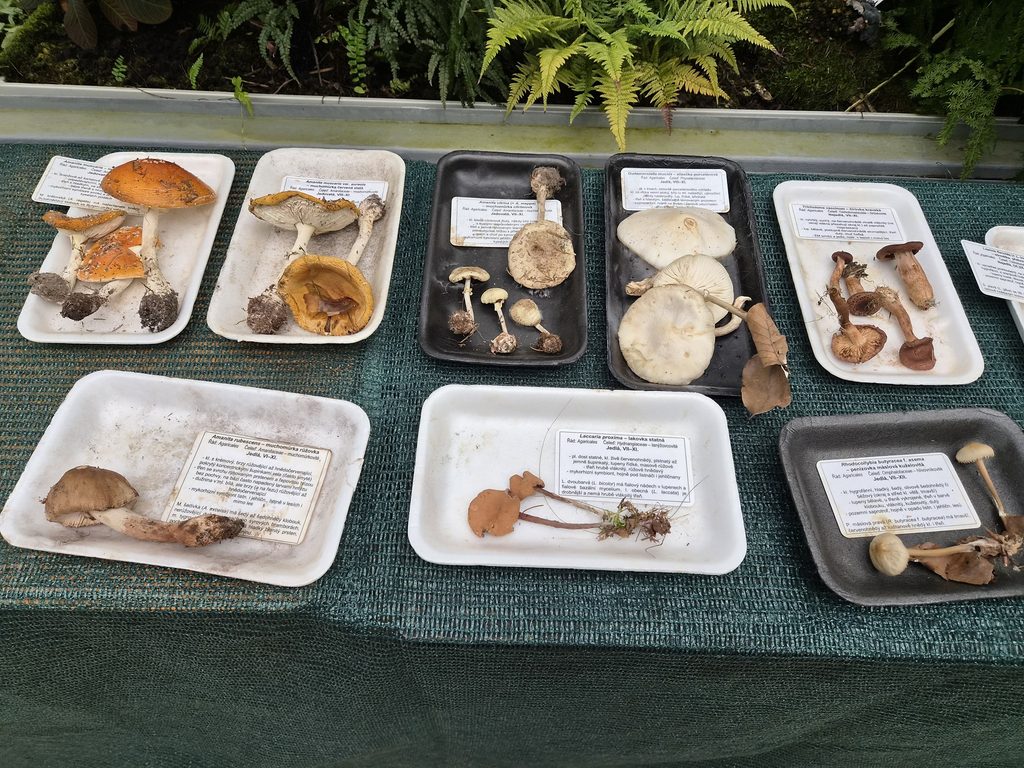
- Autumn mushroom exhibition: A traditional mycology corner organised under the patronage of Petr Hrouda from Masaryk University.
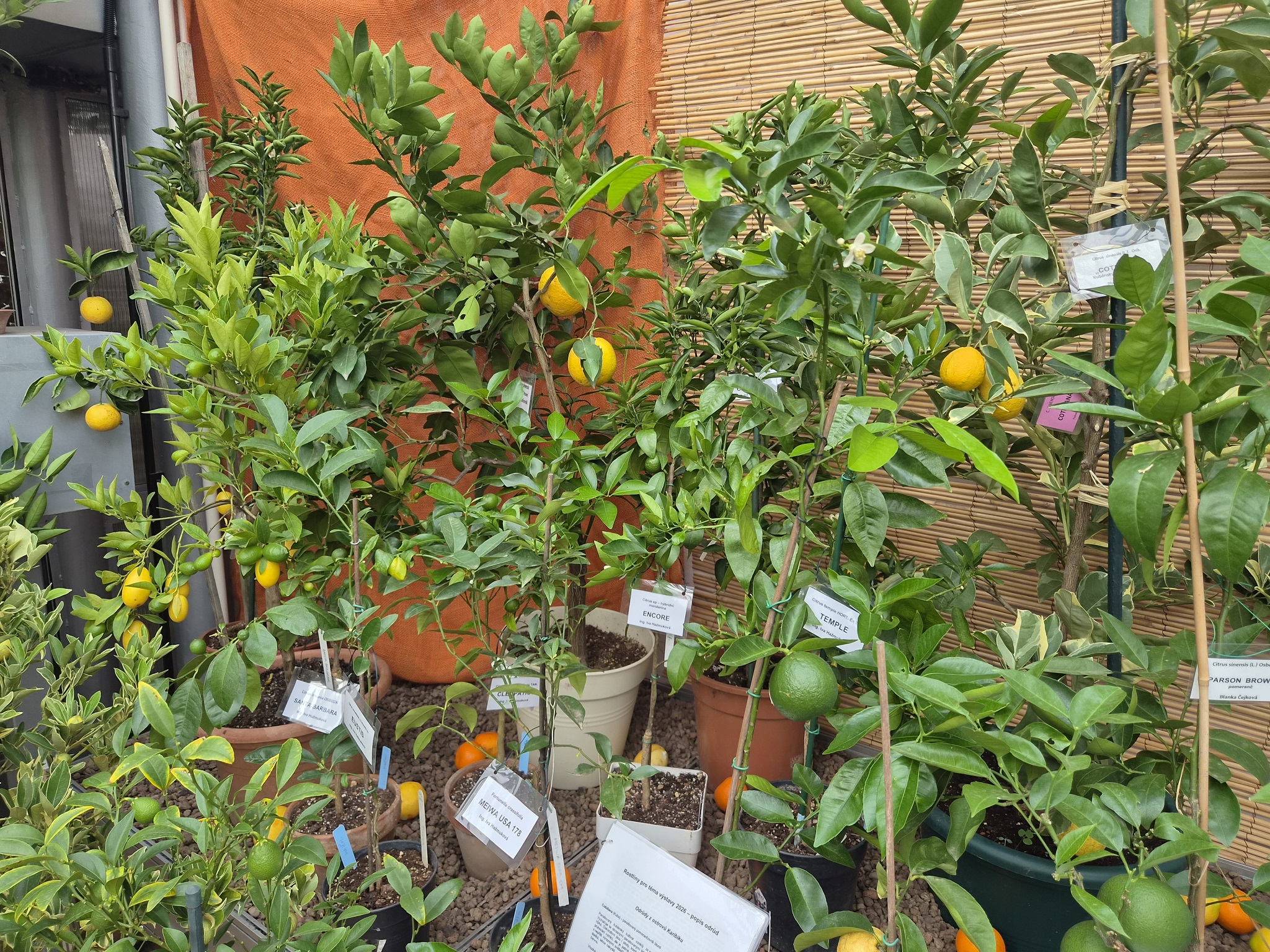
This exhibition, which has now become a tradition, has a unique atmosphere. The greenhouses are literally filled with the heady scent of citrus, which acts as a wonderful remedy in the chilly October weather. Great praise is due to the Brno citrus growers for their professionalism and the tips they tirelessly shared with all visitors throughout the exhibition. Above all, the chance to take home a piece of the tropics they’d grown themselves was the main attraction for many. The plants were flying off the shelves at a rapid pace.
The exhibition has become a popular weekend destination for families with children, students and amateur gardeners from across the region. Personally, I was surprised that the lecture theatre was completely full during my talk, and I hope no one found those 2½ hours boring.
This year’s exhibition, however, is merely the latest chapter in a story that has been unfolding in Brno for over half a century. It is a history of enthusiastic growers and their greenhouses, exhibitions attracting thousands of visitors, specialist meetings in Lednice, and also the magazine Citrusář, which in its day brought together growers across the whole of Czechoslovakia.
Humble beginnings
Karel Buďárek was one of the key figures in the early days of amateur citrus cultivation in the Brno area. His journey as a grower began quite by chance back in 1949. He planted an orange seed in the soil of a pot containing a geranium. It sprouted, and his first rootstock was born. His interest gradually grew into the creation of proper citrus collections. A key moment was his introduction to citrus cultivation in Lednice and his collaboration with František Pospíšil, who later became one of the leading experts in the entire Czechoslovak citrus-growing movement.
Karel Buďárek gradually built greenhouses in Hlinky, on Kamenný vrch and later in Radostice. It was a time when growers gained a great deal of experience through practical experiments and shared grafts, plants and information with one another. According to contemporary accounts, thousands of enthusiasts visited Buďárek’s greenhouses.
1974: Citrus growers organise themselves
In 1974, Karel Buďárek and other enthusiasts founded a specialist organisation in Brno for growers of citrus, tropical and subtropical plants. He became its first chairman and led it for six years.
In the early 1980s, Antonín Dobeš from Drysice took over the leadership. His name, too, became inextricably linked with Moravian citrus growing.
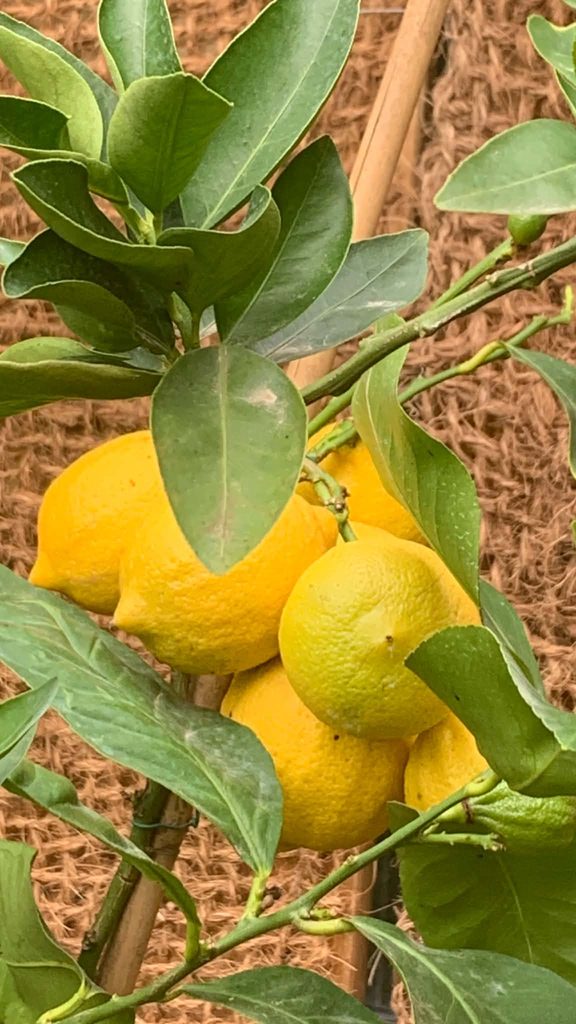
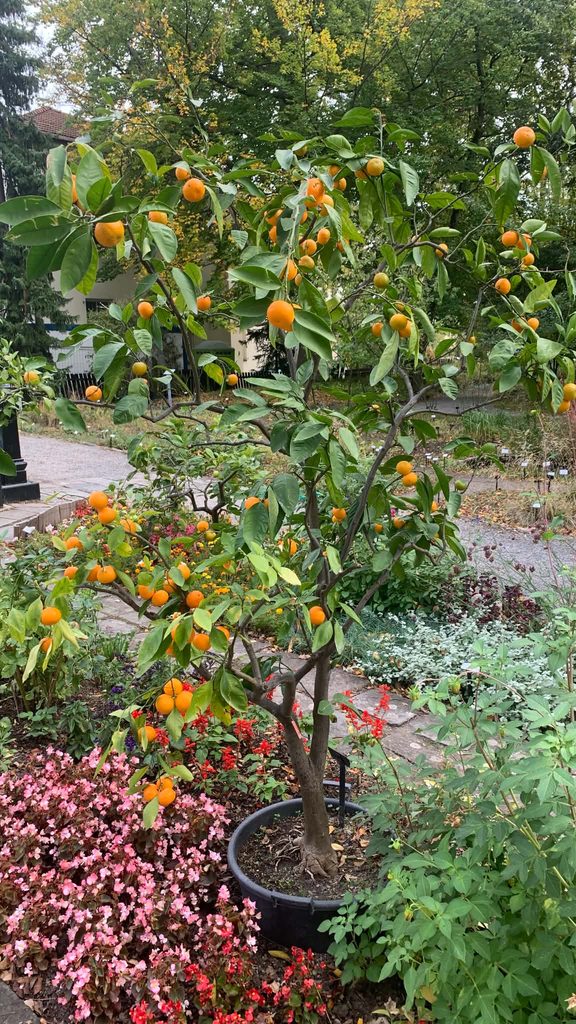
Dobeš’s greenhouses in Drysice were a major centre for horticultural activity. Alongside Antonín Dobeš, other members of the family were also involved in citrus cultivation. Individual growers and organised tours would visit Drysice, and it was here that one could see various cultivation methods in practice, including Dobeš’s solar-powered greenhouse design.
Brno and the phenomenon known as Citrusář
However, the Brno association did not go down in history solely for its plants.
In 1978, the organisation *Praha-západ* began publishing a newsletter dedicated to citrus, subtropical and tropical plants. Its original editorial team soon disbanded, and in 1980 the Brno organisation took over the publication of the magazine under the title *Citrusář*.
Ivan Kunovský and Jiří Holub were behind its launch in Brno. Later, other growers joined the editorial team, and Jiří Šamla took on a key role. František Pospíšil ensured the magazine maintained a high standard of expertise.
What was originally a simple club newsletter gradually evolved into a nationwide information medium. In 1985, a meeting of representatives from citrus-growing organisations in Lednice entrusted the Brno-based organisation with publishing *Citrusář* for other specialist organisations as well. A year later, it was already being published with a print run of 2,000 copies as a 32-page printed and illustrated magazine. By the end of the 1980s, the print run of *Citrusář* had reached 10,000 copies.
From a café to thousands of visitors
The Brno exhibitions themselves also have a longer history than their current venue might suggest.
In November 1984, Brno’s citrus growers showcased their produce at an exhibition in the Bohéma café. A year later, they exhibited fruit-bearing citrus plants at the ‘Hunting and Nature’ exhibition.
Then came the era of major exhibitions. From 28 to 30 November 1986, the second Brno exhibition of citrus and subtropical plants took place at the House of Pioneers and Youth. At that time, in an era without the internet and shops selling citrus as part of their standard range, attendance reached approximately 9,000 people. The exhibition also provided a venue for citrus growers from various parts of the country to meet, and was accompanied by a plant sale and the publication of the grower’s guide CITRUSY. These successful exhibitions continued until the end of the 1980s.
These were the golden years of the movement. By 1989, the Brno Citrus Growers’ Association alone had 550 members.
Lednice and Kociánka: two important locations
Brno was by no means an isolated island. Lednice played an exceptional role in the technical aspects of citrus cultivation.
In 1985, a meeting was held there attended by representatives of specialist organisations of growers of citrus, tropical and subtropical plants from across the country. Among the experts associated with those meetings was František Pospíšil, who had a fundamental influence on the technical standards of Czechoslovak citrus cultivation.
In Brno itself, Kociánka became another important venue. In 1986, growers planted selected citrus varieties and other fruit-bearing subtropical plants in the subtropical greenhouse there. Among those involved in its development were Jan Hanáček, Jan Urbánek and other club members. When an exhibition marking the 25th anniversary of the founding of the Brno citrus-growing movement was held here in November 1999, visitors were already walking amongst citrus plants three to four metres tall, laden with ripening fruit. However, the age of the internet was dawning, and attendance at physical exhibitions slowly began to decline.
The Difficult 1990s
After 1989, following the fall of communism, the climate changed significantly. People began to focus more on economic activities, leading to a decline in membership and a broader downturn in the citrus-growing movement. However, the Brno organisation did not cease to exist and, right up until the end of the century, it continued to bring together around a hundred members.
The exhibitions also continued. In 1992, a major joint exhibition of subtropical plants and amateur gardeners took place at the House of Technology at the Brno Exhibition Centre, in conjunction with a national symposium. Later, exhibition activities moved to Kociánka, amongst other venues, and back to Lužánky.
*Citrusář* also underwent changes. Following Jiří Šamla’s departure from the editorial board in 1990, there were several attempts to keep the magazine going. Its national format eventually came to an end in the 1990s, but the tradition of smaller club newsletters continued.
A new chapter on Kotlářská
A major change took place in 2011.
According to the club newsletter, previous exhibitions at the Lužánky Leisure Centre were attended by just under 400 people, and the revenue they generated usually failed to cover costs. The club therefore reached an agreement with the Masaryk University Botanical Garden, and the exhibition found a new home. This gave the exhibition a new level of expertise and professional oversight.
In a way, it was a fortunate choice. The Botanical Garden itself represents a piece of Brno’s history.
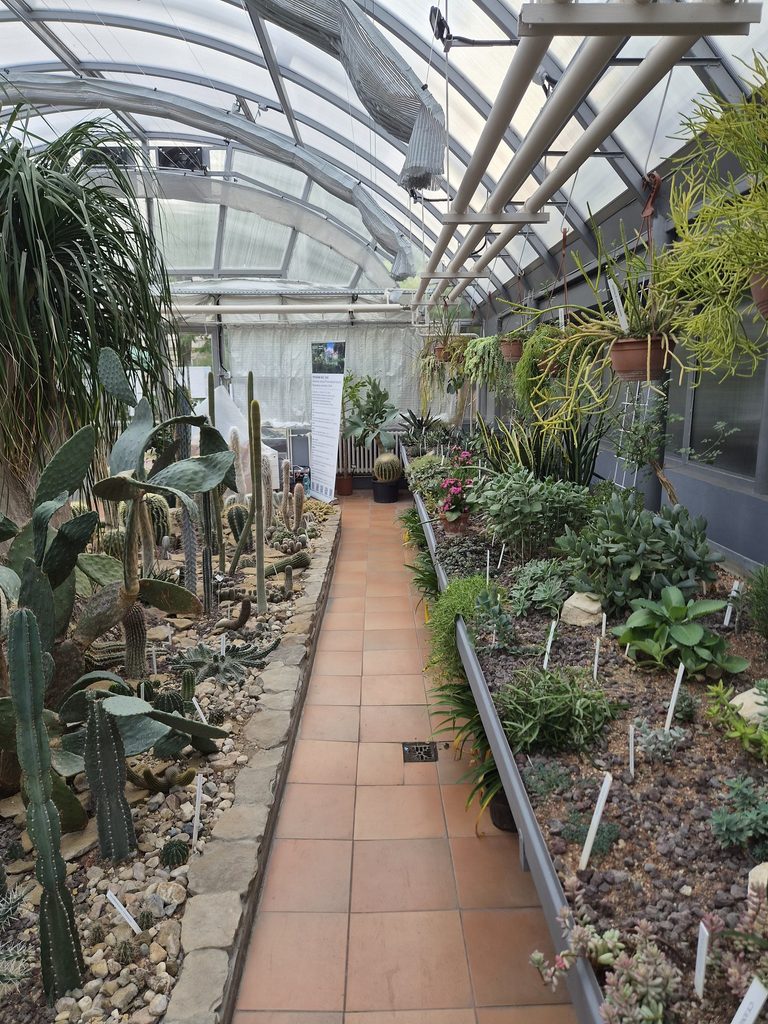
It was founded in 1922 on the initiative of Josef Podpěra. The garden, situated between Kotlářská and Veveří streets, was originally intended to serve only as a temporary solution. Nevertheless, it has remained there to this day, and its basic concept – combining systematic collections with plant communities – has its roots precisely in Podpěra’s original design.
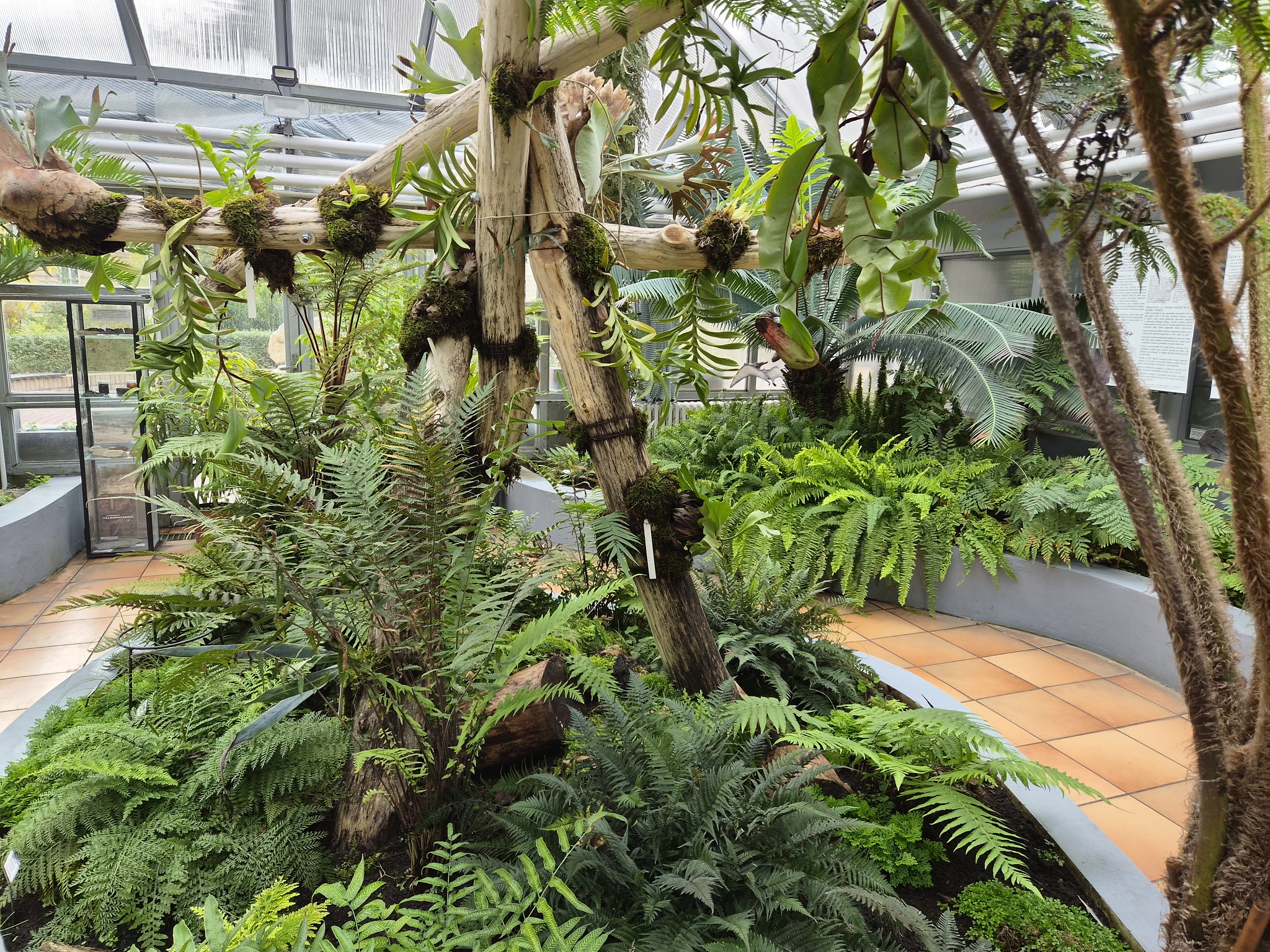
Between 1924 and 1926, the first three greenhouses were built here, and as early as 1925, the famous royal Victoria water lily bloomed in one of them. Today, the garden cares for more than 4,000 taxa and is open not only to the university but also to the general public.
Two traditions, one exhibition
Since 2011, two traditions have thus come together on Kotlářská Street.
One began over a century ago with Josef Podpěra and the university botanical garden. The other grew out of the enthusiasm of Karel Buďárek, Antonín Dobeš, Jiří Šamla, František Pospíšil and many other growers, whose names fill the old volumes of Citrusář.
This symbolically brings things full circle. What began with individual enthusiasts in their private greenhouses is, half a century later, returning to a setting where specialist botany meets the public.
And that is precisely why the Brno citrus exhibition is more than just a display of beautiful plants.
It is a living reminder of a time when cuttings of rare varieties were passed from hand to hand, when nine thousand people attended the citrus exhibition, and when Citrusář travelled from Brno to growers throughout the country. At the same time, it shows that this tradition has not remained confined to old magazines.
It has been a journey spanning more than seventy years – from the orange seedling that Karel Buďárek planted in a pot with a geranium in 1949, through the packed exhibition halls of the 1980s, to the greenhouses on Kotlářská Street. And Brno’s citrus growers are still continuing along that path.